Cereal Box Design Project: A Complete Guide
Creating a cereal box design project is more than just packaging; it’s about capturing attention, communicating a brand message, and creating an experience. A well-designed box can influence purchasing decisions, enhance brand identity, and even become collectible. This guide explores every aspect of designing a cereal box, from concept to final product.
Understanding the Importance of a Cereal Box Design Project
Why Packaging Matters
Packaging is the first impression of your product. It communicates quality, attracts buyers, and differentiates your cereal from competitors. A visually appealing box can increase sales and brand loyalty.
Branding Through Design
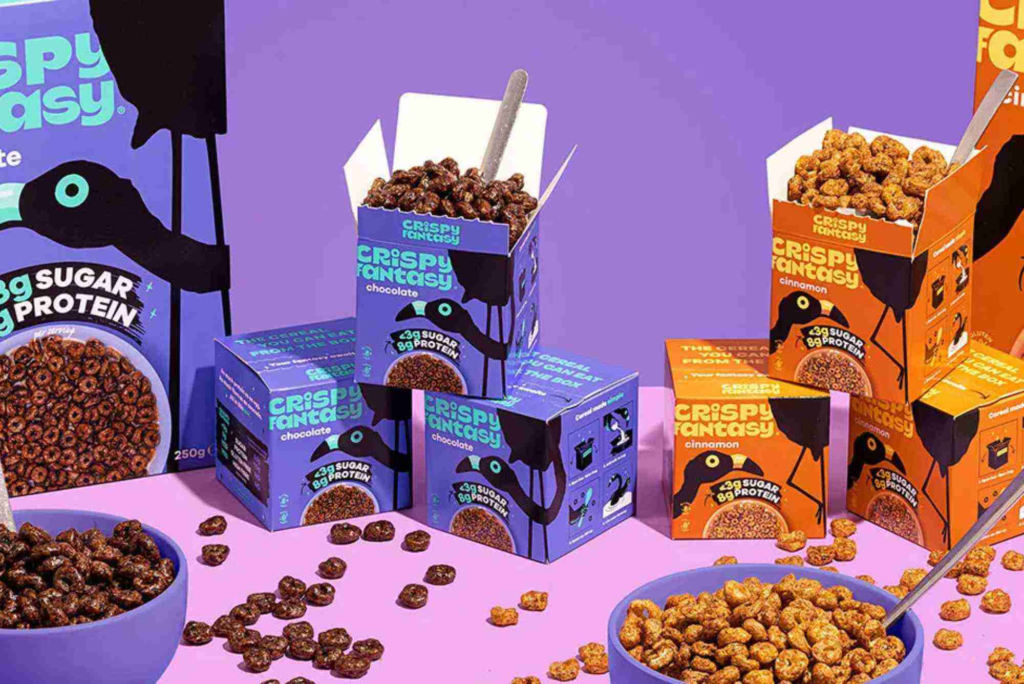
Colors, typography, and imagery create a unique identity. For instance, bright colors appeal to children, while minimalist designs may attract adults. Branding ensures your cereal is recognizable instantly.
Target Audience Considerations
Before starting a cereal box design project, identify your audience. Kids, teens, or adults have different preferences. Incorporate elements like mascots, games, or nutritional information accordingly.
Steps to Create a Successful Cereal Box Design Project
Research and Inspiration
Begin by analyzing existing cereal boxes. Note trends in graphics, color schemes, and typography. Explore packaging blogs or magazines for creative inspiration.
Concept Development
Sketch multiple concepts before digital design. Focus on conveying the product’s story, nutritional benefits, and fun elements. Include visual cues that resonate with your audience.
Color and Typography Selection
Choose colors that represent your brand and evoke the right emotions. Buddy Packaging Location For children, bright and playful tones work best. Typography should be readable and complement the design style.
Imagery and Illustration
Illustrations, mascots, and product images are crucial. They create a connection with the consumer and enhance visual appeal. Ensure imagery aligns with brand values and product messaging.
Incorporating Interactive Elements
Modern cereal boxes often include puzzles, QR codes, or games. These elements increase engagement and make your cereal memorable.
Mockups and Prototyping
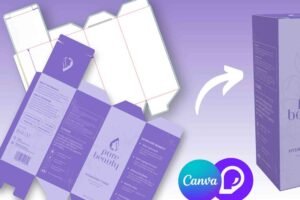
Create physical or digital prototypes to test your design. Adjust scale, colors, and positioning before mass production. Mockups help in visualizing the final product and catching design flaws.
Printing and Finishing Techniques
Material Choices
Choose materials based on durability and sustainability. Recyclable and eco-friendly cardboard appeals to environmentally conscious consumers.
Printing Methods
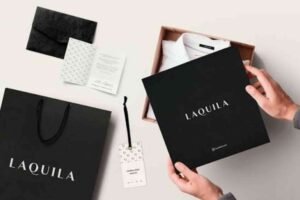
Offset and digital printing are common. Consider high-quality finishes like matte, gloss, or spot UV to make your design pop.
Finishing Touches
Embossing, foiling, or die-cut windows enhance visual appeal. These finishing techniques can make your cereal box stand out on the shelf.
Customization Options
Explore custom boxes to meet specific brand needs. Customization allows for unique shapes, interactive features, and a strong visual identity.
Common Mistakes to Avoid
- Overcrowding the design with text or images.
- Using hard-to-read fonts or clashing colors.
- Ignoring the target audience’s preferences.
- Failing to consider shelf visibility and display impact.
Case Studies of Successful Cereal Box Design Projects
Iconic Brands
Brands like Kellogg’s and Cheerios demonstrate how mascots, color schemes, and consistent branding create a lasting impact.
Innovative Approaches
Smaller brands often succeed by incorporating interactive games, eco-friendly packaging, or limited-edition designs that encourage collection.
A cereal box design project combines creativity, strategy, and consumer insight. Every element, from color to typography, contributes to a memorable brand experience. Take the time to research, prototype, and perfect your design.
Ready to elevate your cereal brand? Explore options for Custom Boxes and learn from print & finishing insights to make your project successful. Visit the Buddy Packaging Location for expert guidance.