Race Sticker Design — Complete Guide (2025)
When it comes to motorsport, rallying, or even casual car shows, race sticker design plays a vital role in defining personality, performance, and brand identity. These small but impactful visuals do more than decorate — they represent passion, sponsorship, and competition. Whether you’re a racer, team owner, or designer, understanding the fundamentals of race sticker design helps you communicate speed, power, and individuality on the track.
In this comprehensive guide, we’ll explore everything from the creative process to printing techniques, material choices, and branding strategies that make a race sticker truly stand out.
The Importance of Race Sticker Design
Race stickers are far more than flashy additions to vehicles — they are storytelling tools. A well-designed sticker immediately conveys a driver’s energy, team pride, and racing culture. Onlookers identify racers not just by their number but also by their distinctive graphics.
Effective race sticker design combines aesthetics and functionality. It must remain vibrant under harsh sunlight, resistant to wind and rain, and durable enough to endure high-speed conditions. Moreover, stickers often carry logos of sponsors and collaborators, so their clarity and layout can impact brand recognition during televised events or photoshoots.
Elements That Define Great Race Sticker Design
Designing the perfect race sticker requires a balance of creativity, psychology, and practicality. Let’s break down the essential elements that determine success.
Visual Identity and Branding
Every sticker should reflect the racer’s or team’s identity. Using consistent colours, typography, and motifs creates visual unity across vehicles, uniforms, and banners. A striking design helps your brand stay memorable both on and off the track.
Colour Psychology
In racing, colours do more than look appealing — they evoke emotions. Red symbolises power and aggression, blue denotes trust and stability, and yellow captures attention with its high visibility. Selecting the right palette ensures your race sticker stands out while maintaining harmony with your car’s finish.
Typography and Readability
Bold, sans-serif fonts work best for readability at high speeds. Avoid excessive decorative fonts that may blur in motion. Ensure sponsor names and numbers are legible even from a distance.
Material Durability
High-quality vinyl and weather-resistant adhesives are essential for endurance racing. The materials should withstand water, UV rays, and dirt without peeling or fading. Using laminated finishes can also enhance protection and gloss.
From Concept to Creation — The Design Process
A professional race sticker design typically begins with conceptual sketches and mood boards. Designers collect references from motorsport history, brand guidelines, and competitor designs.
The process involves several key stages:
- Research & Inspiration — Analysing existing race car liveries and successful designs.
- Digital Sketching — Using design software like Adobe Illustrator or CorelDRAW to map out vector graphics.
- Mockups & Testing — Applying the design digitally to a 3D car model helps assess visibility and proportions.
- Feedback Loop — Gathering input from teammates, sponsors, and designers to refine details.
- Final Output — Preparing high-resolution files for print production and colour calibration.
For further production advice, consider reading print & finishing insights to understand how professional finishes and materials enhance sticker longevity and impact.
Choosing the Right Printing Technique
After the design is finalised, printing becomes the next crucial stage. The method you select affects not only the sticker’s appearance but also its performance.
Digital Printing
Digital printing is ideal for short runs or prototype stickers. It offers quick turnaround times and excellent colour accuracy, especially for gradient-heavy designs.
Screen Printing
When you need bulk quantities with bold, flat colours, screen printing delivers exceptional results. It provides excellent durability and weather resistance.
UV Printing
For high-end finishes, UV printing cures ink instantly with ultraviolet light, resulting in bright, scratch-resistant surfaces that endure extreme conditions.
Die-Cutting
To create unique shapes or logos, die-cutting adds a professional edge. It ensures your stickers follow the exact contours of your design, rather than simple rectangles or circles.
Materials and Finishes That Make a Difference
Race stickers must perform as well as they look. Vinyl remains the most popular choice due to its flexibility, weather resistance, and smooth surface. Within vinyl options, you can choose between gloss, matte, and metallic finishes.
Laminated coatings protect stickers from scratches and fuel spills, while reflective films increase visibility during night races. If sustainability matters to your brand, opt for eco-friendly materials like biodegradable vinyl.
To get high-quality prints, you can explore Custom Stickers for tailored printing options designed for performance vehicles. These offer both premium materials and design flexibility to suit racing conditions.
Integrating Sponsorship and Team Logos
Sponsorship is the backbone of modern motorsport. Hence, integrating sponsor logos elegantly is an essential skill. Stickers should highlight sponsors without cluttering the design. Strategic placement on the hood, doors, and rear panels ensures visibility in photographs and live broadcasts.
Designers often use contrasting backgrounds or outlines to make logos stand out against complex colour schemes. Balance is key — the sticker should look cohesive, not overcrowded.
The Psychology of Movement in Race Sticker Design
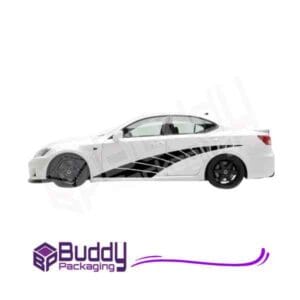
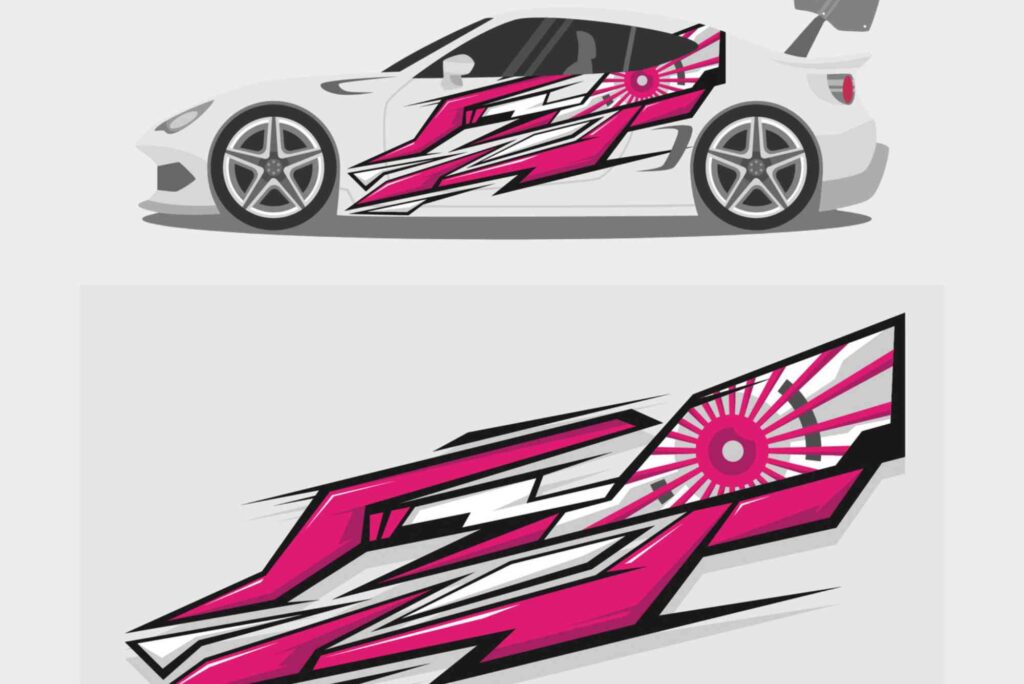
The best race sticker designs appear to move even when the vehicle is stationary. Designers achieve this effect by using dynamic shapes like diagonal lines, flames, or swooshes that mimic motion. Angular layouts and gradient streaks enhance the illusion of speed.
Moreover, subtle asymmetry can create excitement and tension, giving the viewer a sense of forward momentum. This dynamic energy captures the spirit of racing more effectively than static visuals.
Common Mistakes to Avoid in Race Sticker Design
Even experienced designers can make errors that diminish impact. One common mistake is overloading the design with too many elements, resulting in visual confusion.
Another frequent issue is neglecting contrast — light text on light backgrounds becomes unreadable during motion. Always ensure enough contrast between fonts, icons, and backgrounds.
Lastly, avoid using low-resolution logos from sponsors. Always request vector files to maintain sharpness and professional quality after printing.
How to Maintain and Apply Race Stickers Correctly
Once printed, correct application ensures your stickers last. Clean the surface thoroughly with isopropyl alcohol to remove grease and dust. Apply the sticker slowly using a squeegee to prevent air bubbles.
If applying large decals, consider using the “wet method,” where a light mist of soapy water helps reposition the sticker before final placement. After application, avoid washing the car for at least 24 hours to allow full adhesion.
Maintenance is straightforward: wash gently with mild detergent and avoid high-pressure washers aimed directly at sticker edges.
The Role of Technology and Innovation
The future of race sticker design is evolving with technology. 3D printing, holographic materials, and smart decals that change colour based on temperature are beginning to shape the industry.
Digital design tools also allow designers to visualise stickers in augmented reality before production, reducing waste and improving accuracy. These innovations help teams experiment with bold concepts while maintaining professional standards.
Why Professional Design Matters
While DIY sticker design tools are available, professional designers understand the nuances of composition, branding, and material science. Their expertise ensures your stickers look stunning, perform well under tough conditions, and reflect your racing spirit.
Investing in a professional service is not an expense — it’s an enhancement of your brand’s visual power and competitive image.
Frequently Asked Questions
What size should race stickers be?
Sizes vary depending on placement, but common dimensions range from 10 cm to 50 cm for side panels and 5–10 cm for helmets.
What material is best for race stickers?
High-grade vinyl with UV protection and lamination works best for durability and weather resistance.
Can I design my own race sticker?
Yes, you can, but professional designers provide better results in terms of branding consistency and print quality.
Do race stickers damage car paint?
If applied and removed correctly, high-quality vinyl stickers won’t harm car paint. Always use gentle heat when removing them.
How long do race stickers last?
With proper care, race stickers typically last between three to five years, depending on environmental exposure and cleaning habits.
Race stickers are more than decorative details; they’re symbols of performance, identity, and passion. A powerful race sticker design transforms a vehicle into a moving expression of pride and professionalism. From choosing the right colours to ensuring durable prints, every decision counts.