Introduction
In the heart of London, where creativity meets technology, 3D printing design has evolved into a powerful tool shaping industries, art, and innovation. Whether you are an architect bringing blueprints to life, a product designer testing new ideas, or an artist pushing creative limits, 3D printing design London offers limitless opportunities. This fusion of digital design and advanced manufacturing has positioned London as a global hub for cutting-edge 3D innovation.
The Rise of 3D Printing Design in London
London has always been a city of makers, inventors, and visionaries. Over the last decade, the rise of 3D printing design has revolutionised how businesses and individuals approach creation. The technology allows designers to move quickly from concept to tangible object, reducing costs and production time. From small studios in Shoreditch to large industrial facilities in East London, 3D printing has become part of the city’s creative DNA.
London’s ecosystem of universities, tech startups, and creative agencies has also accelerated this growth. Institutions like the Royal College of Art and Imperial College London are producing world-class designers skilled in additive manufacturing, ensuring the capital stays at the forefront of innovation.
What Is 3D Printing Design?
3D printing design involves creating a digital model that can be turned into a physical object through additive manufacturing. Designers use specialised software such as AutoCAD, Fusion 360, or Blender to craft models layer by layer, ensuring precision and detail. The printer then builds the design from the ground up using materials such as plastic, resin, metal, or even recycled compounds.
Unlike traditional manufacturing, which removes material through cutting or shaping, 3D printing adds material precisely where it’s needed. This method minimises waste and allows for intricate structures that would be impossible with conventional tools.
How 3D Printing Design Differs from Traditional Design
Traditional product design often relies on moulds, cutting, and assembly lines. 3D printing design, however, removes many of these limitations. It enables rapid prototyping, customisation, and on-demand production. This flexibility empowers London’s designers to experiment with new ideas quickly without heavy upfront costs or lengthy waiting times.
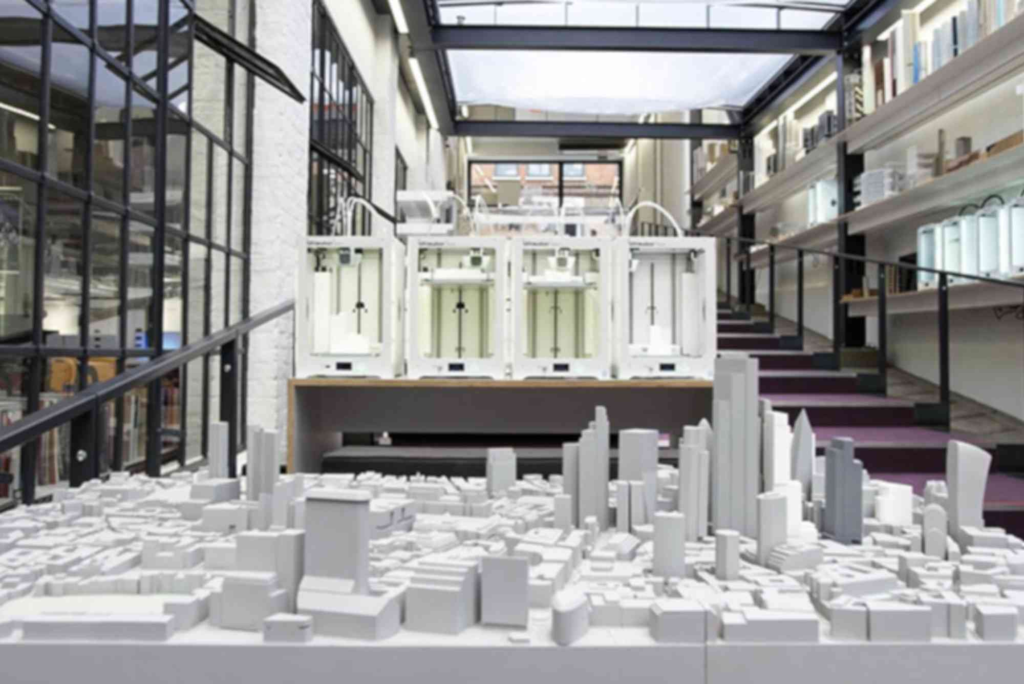
For example, an architect can print a scaled-down model of a building within hours, allowing clients to see and touch the concept before construction begins. Similarly, medical professionals can design and print custom prosthetics tailored to individual patients, improving both comfort and functionality.
Applications of 3D Printing Design in London
The versatility of 3D printing means its applications span multiple industries across London. Each sector benefits from the technology’s precision, speed, and creative potential.
Architecture and Construction
In architecture, 3D printing design has become an essential tool for presenting detailed models. Firms across London use 3D printers to create realistic building prototypes, helping clients visualise designs. Some companies are even exploring full-scale printed structures, reducing waste and construction time.
Product Design and Manufacturing
London’s thriving startup ecosystem heavily relies on 3D printing design to develop new products. From wearable tech to household gadgets, startups use this technology to test ideas before investing in mass production. Designers can easily modify their models, print new iterations, and refine their products in days rather than months.
Fashion and Jewellery
In the fashion and jewellery scene, 3D printing allows for intricate, one-of-a-kind pieces. Designers can create unique forms that are impossible to produce with traditional methods. London’s luxury jewellery brands use 3D printed prototypes to test fit and aesthetics before crafting the final pieces in precious metals.
Medicine and Healthcare
Perhaps one of the most transformative uses of 3D printing design in London is in the medical field. Surgeons use printed organ models to plan complex operations, and dental clinics produce perfectly fitting crowns and aligners using 3D printers. The ability to customise designs for each patient is changing how healthcare providers deliver treatment.
Education and Research
London’s universities and research institutions are also using 3D printing to educate and innovate. Students learn by creating functional prototypes, while researchers explore new materials and sustainable design methods. This hands-on experience prepares the next generation of designers for real-world challenges.
Why Choose London for 3D Printing Design?
London stands out as a global leader in 3D printing design for several reasons. Its diverse creative industries, technical expertise, and focus on innovation create an ecosystem unlike anywhere else.
Access to Cutting-Edge Technology
London’s design studios and fabrication labs house state-of-the-art 3D printers and software. Whether you need a high-resolution resin print or a durable metal prototype, the city’s facilities can handle it. Many London-based 3D printing companies also offer design consultation and post-processing services to ensure professional results.
Collaboration Across Industries
The city fosters collaboration between artists, engineers, and manufacturers. For instance, a product designer can partner with an architect or a biomedical engineer to create cross-disciplinary innovations. These collaborations often lead to breakthroughs that wouldn’t happen in isolation.
Sustainability and Eco-Innovation
Sustainability is at the heart of London’s design community. Many 3D printing studios focus on using biodegradable or recycled materials. The additive process itself is more sustainable than traditional manufacturing since it generates less waste. This aligns perfectly with London’s environmental goals and commitment to a greener future.
The Process of 3D Printing Design
Understanding the design process helps businesses and individuals make the most of 3D printing design London services.
- Concept Development: It starts with an idea, whether sketched on paper or drafted digitally.
- 3D Modelling: The concept is transformed into a digital 3D model using CAD software.
- Prototyping: A test print is created to evaluate form, function, and fit.
- Iteration: Based on feedback, the design is adjusted and reprinted if necessary.
- Final Printing: Once approved, the final version is printed using the chosen material.
- Post-Processing: The printed piece may be sanded, painted, or assembled depending on its use.
This streamlined workflow allows London’s designers to move quickly from idea to finished product while maintaining exceptional quality.
How 3D Printing Design Supports Business Growth
For London-based businesses, 3D printing is more than just a design tool—it’s a growth accelerator. By reducing development time, lowering costs, and allowing for mass customisation, 3D printing gives businesses a competitive edge. Companies can test new products faster, tailor items for individual customers, and scale production efficiently.
Integrating 3D printing design also supports brand differentiation. Businesses that offer unique, customised products stand out in crowded markets. For example, a cosmetic company could 3D print bespoke packaging for limited-edition releases, combining creativity with practicality.
For further creative ideas, you can explore packaging design inspiration to see how designers worldwide use innovative techniques similar to 3D printing for visual impact.
Challenges and Future of 3D Printing Design in London
Despite its many benefits, 3D printing still faces challenges such as material limitations and printing speed. However, advances in technology are addressing these issues rapidly. The future of 3D printing design London is bright, with innovations like multi-material printing, AI-assisted design, and large-scale industrial printers already emerging.
As costs decrease and accessibility improves, even small businesses and independent creators will benefit. London’s diverse creative landscape ensures that 3D printing will continue to evolve—driving art, commerce, and innovation forward.
3D Printing and Custom Packaging
Interestingly, 3D printing is also transforming how brands approach packaging. Businesses now use 3D printed moulds and prototypes to create custom shapes and textures for packaging. This trend helps brands maintain uniqueness and sustainability. If your brand is exploring innovative packaging, consider looking into Custom Packaging options that complement your 3D design vision.
(FAQs)
What is the cost of 3D printing design in London?
The cost depends on the complexity of the design, material type, and print size. Small prototypes may start from £50, while detailed industrial models can cost several hundred pounds.
How long does it take to 3D print a design?
Printing time varies by size and detail. A small prototype can take a few hours, whereas larger models may take several days, including post-processing.
Can I print in metal or other materials?
Yes. London-based 3D printing studios offer a wide range of materials, including plastics, resins, metals, and eco-friendly compounds.
Is 3D printing suitable for mass production?
While 3D printing excels at custom and short-run production, it’s increasingly used in mass manufacturing thanks to advances in speed and automation.
Do I need to be a designer to use 3D printing services?
No. Many London studios offer full design support. You can bring your concept or sketch, and experts will create the digital model for you.
3D printing design London represents the future of creativity and manufacturing. It’s a field where imagination meets technology, enabling professionals and businesses to innovate faster and smarter. Whether you’re an entrepreneur testing a new product, a student exploring design, or a company seeking sustainable production, London provides all the tools and expertise you need.
The world is moving toward smarter, more efficient production methods — and 3D printing is leading the way. Start your journey today and transform your ideas into tangible reality.