
Introduction
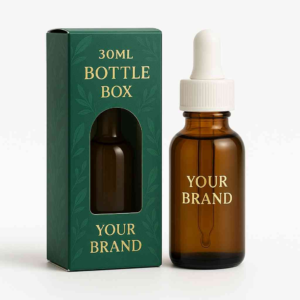
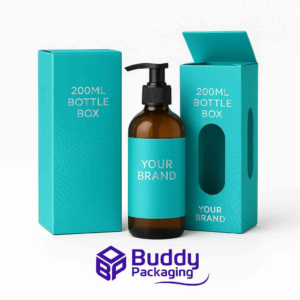
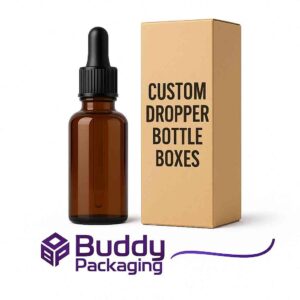
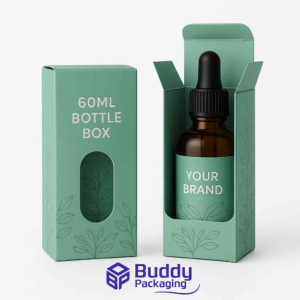
Packaging design and print templates play a critical role in how products connect with customers. Whether for retail shelves, subscription boxes, or event promotions, the right design captures attention, communicates brand identity, and builds trust. In places like Orange Theory Mountain View, where fitness and branding meet lifestyle, packaging is more than just a container—it’s a storytelling tool. By understanding packaging design and print templates, businesses can create memorable experiences and improve customer loyalty.
Why Packaging Design Matters
Packaging is often the first physical interaction a customer has with a brand. A strong design not only protects the product but also delivers a clear message. It sets expectations about quality, values, and uniqueness. In competitive markets, packaging can influence purchasing decisions more than price.
Brands that invest in thoughtful design also benefit from improved recognition. A well-designed print template ensures consistency across different packaging formats. This is especially useful for businesses that need to scale their branding without losing identity.
Understanding Print Templates
A print template is the framework used to ensure packaging designs align correctly during production. It includes measurements, folds, cut lines, and safe zones for text or images. Using a print template avoids costly mistakes, such as designs being cut off or misaligned.
Print templates allow designers to experiment with colors, graphics, and branding elements in a controlled space. By working with these templates, businesses achieve accuracy while leaving room for creativity. The process streamlines collaboration between designers, manufacturers, and marketers.
Key Elements of Effective Packaging Design
Brand Storytelling
Packaging design should reflect a company’s core values. For fitness-focused businesses like Orange Theory Mountain View, packaging could emphasize energy, motivation, and community. A cohesive design tells customers they’re buying more than a product—they’re joining a lifestyle.
Visual Consistency
Consistency in colors, fonts, and imagery strengthens brand recognition. Using standardized print templates helps ensure every box, label, or sleeve looks professional and on-brand.
Functional Design
Practical packaging is as important as beautiful design. Packaging should be easy to open, eco-friendly, and durable enough to protect the product.
Packaging Design And Print Template Workflow
Designing packaging begins with research and brainstorming. Once the visual concept is established, designers use a print template to apply the artwork. After revisions, prototypes are produced for testing. This step ensures the packaging works in real-world conditions.
For businesses new to packaging, working with experts can save time and money. Professional designers understand the balance between creativity and production accuracy. Tools such as Adobe Illustrator and Photoshop make it easier to customize designs within template frameworks.
The Role of Digital Printing in Packaging
Modern digital printing has revolutionized packaging design. It allows short runs, making it possible for small businesses to test designs without committing to massive orders. Digital printing also provides flexibility with colors and textures, opening opportunities for creative branding.
This approach supports sustainable practices, as businesses can print only what they need, reducing waste. Combined with reusable or recyclable materials, it gives packaging added value in today’s eco-conscious market.
Orange Theory Mountain View: A Case in Point
Consider how Orange Theory Mountain View connects fitness with lifestyle. Packaging for merchandise, fitness equipment, or promotional kits must align with its energetic brand identity. By using packaging design and print templates, they ensure every touchpoint reflects motivation and community spirit. This demonstrates how local businesses can elevate branding through thoughtful packaging choices.
Expert Insights and Best Practices
When designing packaging, think about your audience. For premium products, luxurious finishes like embossing or metallic foils create impact. For everyday goods, simplicity and functionality may resonate more.
Another best practice is aligning packaging with sustainability trends. Customers appreciate eco-friendly materials and minimalistic designs that reduce waste. These details not only protect the environment but also show social responsibility.
If you’re looking for more expert guidance, check out packaging design tips to explore creative strategies that inspire lasting impressions.
Internal Resources for Businesses
Companies exploring new packaging solutions can benefit from custom options. With Custom Packaging, businesses can align designs with unique product needs. For local businesses wanting to explore more options, visiting Buddy Packaging Location provides direct access to tailored packaging solutions.
Frequently Asked Questions
What is a packaging print template?
A packaging print template is a layout that shows where artwork, folds, and cut lines should appear for accurate production.
Why is packaging design important for businesses?
It influences customer perception, protects products, and strengthens brand identity, often driving purchase decisions.
How do I create a packaging design?
Start with brand research, develop visual concepts, and apply them to a print template. Use professional software for accuracy.
What role does digital printing play in packaging?
It enables flexible, cost-effective, and sustainable solutions by allowing small print runs and diverse design options.
Packaging design and print templates are more than technical tools—they’re essential for creating a memorable customer experience. From protecting products to showcasing brand identity, they influence every stage of customer interaction. Businesses that invest in smart packaging design gain a competitive advantage, especially in industries where branding makes all the difference.