Box Packaging Design Size: The Ultimate Guide for Your Brand
In today’s competitive market, packaging plays a crucial role in shaping a customer’s first impression. A well-thought-out box packaging design size not only protects your product but also enhances its appeal. Choosing the right dimensions is more than just aesthetics—it affects shipping costs, storage, and customer satisfaction. This guide will explore everything you need to know about box packaging design size to help your products stand out.
Understanding Box Packaging Design Size
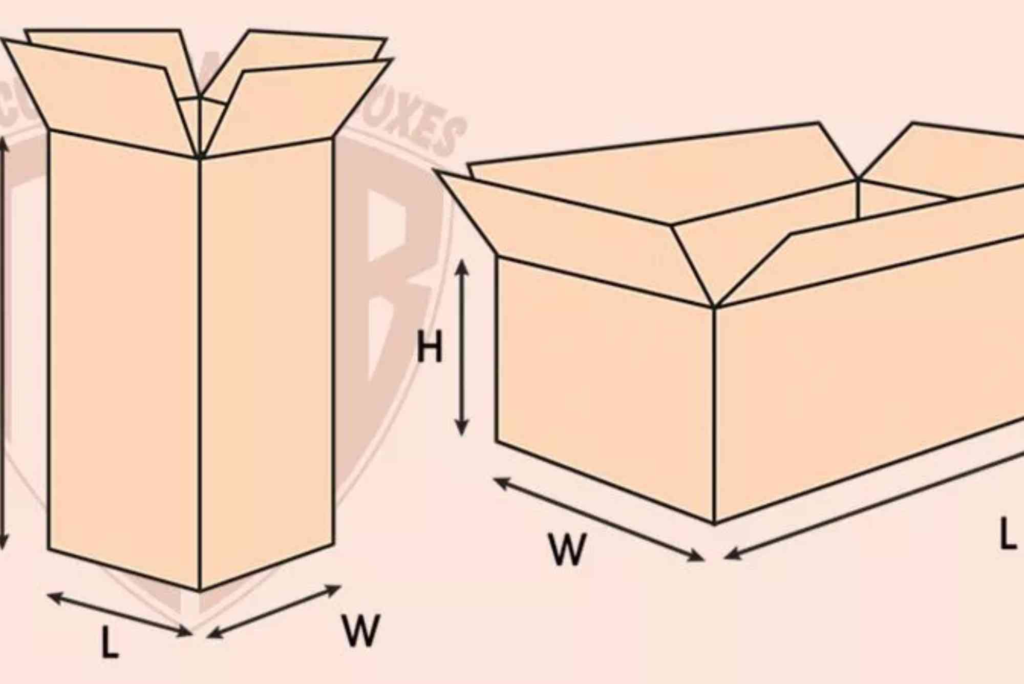
The term box packaging design size refers to the exact dimensions and structural design of a packaging box. It encompasses width, height, depth, and sometimes custom features like compartments or inserts. Selecting the right size ensures your product fits securely, minimizing damage and maximizing visual impact.
Why Size Matters
The correct box size is essential for several reasons:
- Product protection: A snug fit prevents movement and reduces damage during transit.
- Cost efficiency: Smaller boxes save on material and shipping costs.
- Shelf impact: The right dimensions enhance the unboxing experience and attract attention.
- Sustainability: Optimal sizing reduces excess material usage, promoting eco-friendly packaging.
Factors to Consider When Choosing Box Packaging Design Size
Selecting the ideal box packaging design size requires a balance of practicality and design. Consider the following factors:
Product Dimensions
Measure your product carefully. Include any accessories, padding, or protective inserts. Ensure the box allows for adequate protection without excessive empty space.
Material and Structure
Different materials require different tolerances. Cardboard, corrugated fiberboard, or rigid boxes each have unique strength properties. Heavier products may need thicker materials and reinforced structures.
Shipping and Storage Requirements
Consider how the boxes will be stored and transported. Standard shipping sizes may influence your box dimensions to reduce shipping costs and improve stackability.
Customer Experience
The unboxing experience is a critical factor in modern e-commerce. A box too small may appear cheap, while a box too large can feel wasteful. Aim for a size that enhances the product reveal.
Branding and Design
Your box packaging design size also impacts branding opportunities. Adequate surface area allows for clear logos, messaging, and artwork without overcrowding. Look for box design inspiration from packaging leaders to balance design and practicality.
Standard Box Packaging Sizes
While custom sizes are common, understanding standard sizes helps streamline production. Common dimensions include:
- Small boxes: 4x4x4 inches, often for cosmetics or jewelry.
- Medium boxes: 8x8x4 inches, suitable for apparel or electronics.
- Large boxes: 12x12x8 inches, ideal for bulkier items or gift sets.
Custom dimensions can be created to fit unique products, ensuring a perfect fit and enhancing presentation. Many packaging providers, including Custom Boxes, offer tailored solutions for specialized needs.
Tips for Designing the Perfect Box Packaging Size
A successful box design is more than measurements—it combines usability, protection, and aesthetics.
Start With Accurate Measurements
Measure your product carefully, accounting for protective padding. Even a small miscalculation can lead to a poorly fitting box.
Consider Tolerances
Allow a small margin of error to accommodate variations in manufacturing. A tight tolerance prevents crushing while avoiding excessive space inside the box.
Optimize for Shipping
Choose dimensions compatible with standard shipping guidelines. This reduces costs and prevents complications during delivery.
Think About Visual Appeal
Use your box packaging design size to create a visually balanced design. Ensure your branding is clear and legible while maintaining a professional appearance.
Use Technology Tools
CAD software and online packaging calculators can help visualize your box and test dimensions before production. This ensures accuracy and efficiency.
Creative Approaches to Box Packaging Design Size
Beyond standard measurements, creativity can elevate your packaging.
Custom Inserts
Adding compartments or trays keeps products secure and creates a premium unboxing experience.
Layered Packaging
Consider multi-tiered boxes or foldable sections for added visual appeal and functionality.
Innovative Shapes
Boxes don’t always need to be rectangular. Hexagonal, triangular, or other custom shapes can make your product stand out. Check box design inspiration for examples of creative packaging solutions.
Common Mistakes to Avoid
Even experienced brands can make errors when determining box packaging design size. Avoid these pitfalls:
- Oversized boxes that feel wasteful.
- Tight-fitting boxes that risk damaging the product.
- Ignoring shipping and storage constraints.
- Overlooking design elements that affect visual appeal.
Sustainable Box Packaging Design
Sustainability is now a crucial part of packaging design. Use minimal material without compromising protection. Opt for recyclable or biodegradable materials, and choose sizes that reduce excess waste. Sustainable packaging can also enhance your brand image and appeal to eco-conscious consumers.
How to Measure and Test Your Box Packaging Design Size
Testing ensures your chosen size works in real-world conditions:
- Measure precisely: Use calipers or rulers for accuracy.
- Prototype: Create a sample box before mass production.
- Test fit: Place the product inside with padding and check for snugness.
- Simulate shipping: Shake or drop-test the box to ensure durability.
Buddy Packaging Location
For businesses seeking professional packaging solutions, Buddy Packaging Location offers expertise in creating custom-sized boxes for various industries. Their team can provide guidance on selecting the ideal box packaging design size to meet product and branding needs.
A carefully chosen box packaging design size is vital for product safety, visual appeal, and customer satisfaction. By understanding dimensions, materials, and design principles, brands can create packaging that protects, impresses, and communicates their message effectively. Investing in the right size ensures not only a functional solution but also a memorable brand experience.
Enhance your product presentation today by exploring Custom Boxes tailored to your needs. Take inspiration from the best designs online, and let your packaging make a lasting impression.
FAQ
What is the standard size for a packaging box?
Standard sizes vary by product type, such as 4x4x4 inches for small items or 12x12x8 inches for larger products. Custom sizes are often preferred for unique items.
How do I determine the right box packaging design size?
Measure your product carefully, including padding, consider material strength, shipping constraints, and branding requirements.
Can custom box sizes reduce shipping costs?
Yes, optimizing box size to fit your product minimizes excess weight and space, reducing shipping fees significantly.
What materials are best for packaging boxes?
Corrugated cardboard is ideal for durability, while rigid boxes provide a premium feel. Material choice depends on product weight and branding.
How do I make my packaging eco-friendly?
Choose recyclable or biodegradable materials, minimize excess space, and design boxes that use fewer resources without compromising protection.