Introduction
Glassware has always carried a sense of elegance and fragility, making its packaging a true design challenge. Whether it’s wine glasses, perfume bottles, or artisanal jars, the way glassware is packaged matters just as much as the product itself. A strong glassware packaging design not only ensures protection during transport but also elevates the customer experience. Brands that invest in thoughtful design often stand out in retail spaces and build customer loyalty by showing care in every detail.
Why Glassware Packaging Design Matters
Glass items are delicate by nature, prone to cracks, chips, and breakage. Without proper packaging, even a short journey from warehouse to shelf can result in product loss. But beyond protection, packaging has become a silent salesman. The first thing a customer interacts with is not the glass product itself, but the packaging. That makes design a critical part of branding and marketing. A well-designed glassware package communicates luxury, trust, and attention to detail.
Balancing Protection and Presentation
Designers must strike a balance between two goals: ensuring durability while keeping packaging visually appealing. Protective features like inserts, dividers, or foam must seamlessly blend with attractive external design. Too much focus on safety alone may result in bulky, unattractive packaging. On the other hand, prioritizing aesthetics without considering strength can lead to product damage and poor customer experiences.
Elements of Effective Glassware Packaging
An effective glassware packaging design is not about one single feature—it is the combination of structure, materials, branding, and usability. Each element plays a role in shaping the customer’s perception of the product.
Material Choices
The material forms the backbone of any packaging. Cardboard, corrugated paper, rigid boxes, and eco-friendly kraft materials are widely used for glass packaging. Corrugated board offers shock resistance, while rigid boxes bring a premium look. Many brands now explore sustainable alternatives that still provide strength, appealing to environmentally conscious buyers.
Structural Integrity
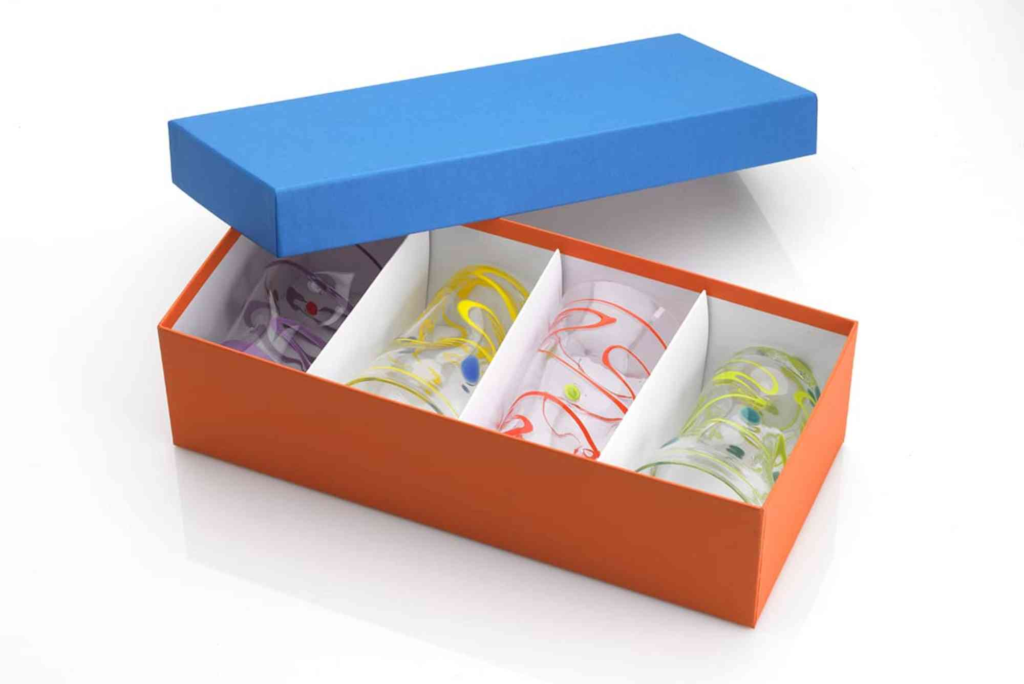
Internal structures such as partitions, molded pulp, or foam inserts secure each glass item in place. This prevents clinking or rubbing against each other during shipping. Many designs use layered compartments, ensuring that even if the box is dropped, the glass stays intact. Structural stability must always complement the exterior aesthetics.
Branding and Aesthetics
Glassware often falls into the luxury product category. Packaging must reflect this image through premium printing, embossing, or minimalistic finishes. Brands that emphasize elegance often use soft colour palettes, metallic foils, or textured finishes to make their packaging stand out. This isn’t just about beauty; it signals quality and makes unboxing memorable.
Sustainability in Design
Consumers increasingly prefer eco-conscious packaging solutions. Recyclable inserts, biodegradable wraps, and minimal plastic use can improve brand image. Glass itself is a sustainable material, and aligning packaging design with that message creates consistency. Packaging that is both safe and eco-friendly becomes a unique selling point for many brands.
Trends in Glassware Packaging Design
Packaging design evolves with consumer preferences, and glassware is no exception. Keeping track of trends helps brands stay relevant and innovative.
Minimalism and Elegance
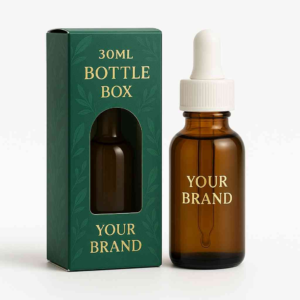
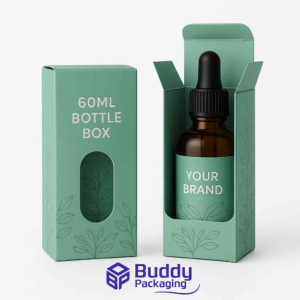
Minimalist packaging with clean typography and soft tones appeals to modern consumers who value sophistication. Transparent windows in boxes that reveal part of the product also fit into this trend, offering a sneak peek while maintaining protection.
Personalized Experiences
Customised messages, QR codes, or personalized designs create stronger customer connections. Brands are increasingly leveraging personalization as a way to make buyers feel special.
Smart and Interactive Packaging
Technology has entered packaging too. Some glassware boxes now feature QR codes that link to tutorials, recipes, or brand stories. This transforms packaging into an interactive medium, bridging offline and online experiences.
Eco-Friendly Innovations
Recyclable dividers, compostable fillers, and soy-based inks are no longer optional—they are expected by many buyers. The combination of sustainability with elegance is becoming a defining feature of modern glassware packaging design.
Drawing Inspiration for Design
When creating packaging, inspiration can come from multiple sources. Luxury brands often inspire smaller businesses, while artisanal makers may find creativity in traditional crafts. Platforms like packaging design inspiration showcase creative examples from around the globe, offering a glimpse into how other brands balance beauty with functionality. Exploring such platforms allows designers to refine their own concepts and avoid repetitive patterns.
Custom Packaging for Glassware
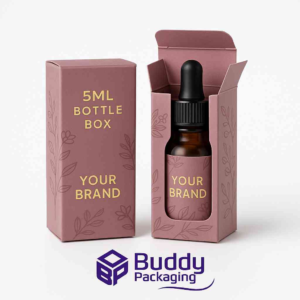
One of the most effective strategies for glassware packaging is personalization. Custom Packaging solutions give brands the flexibility to design boxes that match their product’s unique size, shape, and identity. Rather than relying on standard packaging, custom designs ensure a snug fit, reduce material waste, and create a stronger brand presence. A custom approach also allows experimenting with inserts, printed graphics, and premium finishes.
Challenges in Glassware Packaging Design
Designing packaging for fragile items is not without challenges. Logistics, sustainability demands, and consumer expectations all add layers of complexity.
Shipping Concerns
E-commerce has reshaped how products travel. Glassware must now withstand long-distance shipping, multiple handling points, and climate variations. Packaging design must be sturdy enough to absorb shocks while still lightweight enough to reduce shipping costs.
Balancing Costs and Quality
Premium packaging materials can be expensive. Brands often struggle to balance cost-effectiveness with premium presentation. Choosing materials that are both protective and affordable is a constant challenge for designers.
Meeting Sustainability Expectations
With rising consumer awareness, brands are under pressure to reduce plastic and incorporate recyclable options. Designing sustainable yet stylish glassware packaging requires innovation and careful sourcing of eco-friendly materials.
How Glassware Packaging Impacts Customer Experience
Packaging is more than just a protective shell; it’s part of the overall customer journey.
When a customer unboxes fragile glassware and finds it intact, beautifully presented, and easy to access, the experience enhances brand trust. On the other hand, poorly designed packaging that leads to damaged goods not only results in returns but can harm reputation. Many customers also share their unboxing experiences online. Instagram-worthy packaging can therefore become free advertising for brands.
Practical Tips for Designing Glassware Packaging
To achieve an ideal design, brands and designers can follow practical strategies.
Use strong, layered materials with protective inserts.
Incorporate branding elements like logo placement, colours, and unique typography.
Opt for eco-friendly solutions where possible.
Design boxes for both shelf display and shipping durability.
Test prototypes under real shipping conditions to ensure durability.
FAQs
How do you package glassware for shipping safely?
Glassware should be packaged using dividers, inserts, and cushioning materials. Each piece must be separated to avoid contact and placed in a sturdy outer box.
What materials are best for glassware packaging?
Corrugated cardboard, rigid boxes, molded pulp, and eco-friendly kraft materials are commonly used. They offer both strength and sustainable benefits.
Why is custom packaging important for glassware?
Custom packaging ensures the product fits securely, reduces the risk of breakage, and strengthens brand identity through unique design.
Can glassware packaging be eco-friendly?
Yes, brands now use recyclable inserts, biodegradable wraps, and compostable fillers to create sustainable yet protective packaging solutions.
What makes glassware packaging attractive to customers?
Visual appeal through elegant printing, textures, and minimalistic design combined with safe and easy unboxing makes packaging more attractive to buyers.
Elevating Brands Through Glassware Packaging
Glassware packaging design is both an art and a science. It requires careful attention to safety, aesthetics, branding, and sustainability. As consumer expectations rise, packaging is no longer a secondary concern but a key part of a product’s identity. Brands that invest in innovation and custom solutions are more likely to stand out, reduce damage risks, and create memorable customer experiences.
If you’re a brand seeking to improve your glassware packaging, now is the time to explore creative and sustainable solutions. Consider custom designs, experiment with eco-friendly materials, and let your packaging tell your brand story. Strong glassware packaging design doesn’t just protect—it impresses, persuades, and elevates your product in the eyes of your customers.