Food Packaging Design Companies: A Complete Guide
In today’s competitive food industry, packaging is more than just a container—it’s a brand storyteller. Food packaging design companies play a crucial role in creating packaging that protects products, attracts buyers, and builds brand loyalty. From supermarkets to online food deliveries, innovative packaging can make or break a product’s success.
If you are a business owner or brand manager, understanding what these companies do and how to choose the right one is essential. In this guide, we’ll explore the role of food packaging design companies, their services, design trends, and tips for finding the perfect partner for your brand.
Why Food Packaging Design Matters
First Impressions Count
Your packaging is the first thing a customer notices. Unique, attractive designs can increase shelf appeal and brand recognition.
Protection and Functionality
Food packaging must ensure freshness, hygiene, and durability while being easy to use and transport.
Sustainability and Brand Values
Modern consumers prefer eco-friendly packaging. Many food packaging design companies now focus on recyclable, compostable, or reusable solutions.
What Food Packaging Design Companies Do
Branding and Identity
They help align packaging with your brand’s personality and values. A snack targeting kids may use bright, playful visuals, while an organic product may use minimal, earthy designs.
Structural Design
Packaging design isn’t just about visuals. Structural engineering ensures packages are functional, secure, and cost-effective.
Material Selection
Experts guide businesses in choosing the right packaging material—plastic, paper, cardboard, or sustainable alternatives.
Printing and Prototyping
From digital mockups to physical samples, food packaging design companies create prototypes to test usability before mass production.
Services Offered by Food Packaging Design Companies
Custom Packaging Solutions
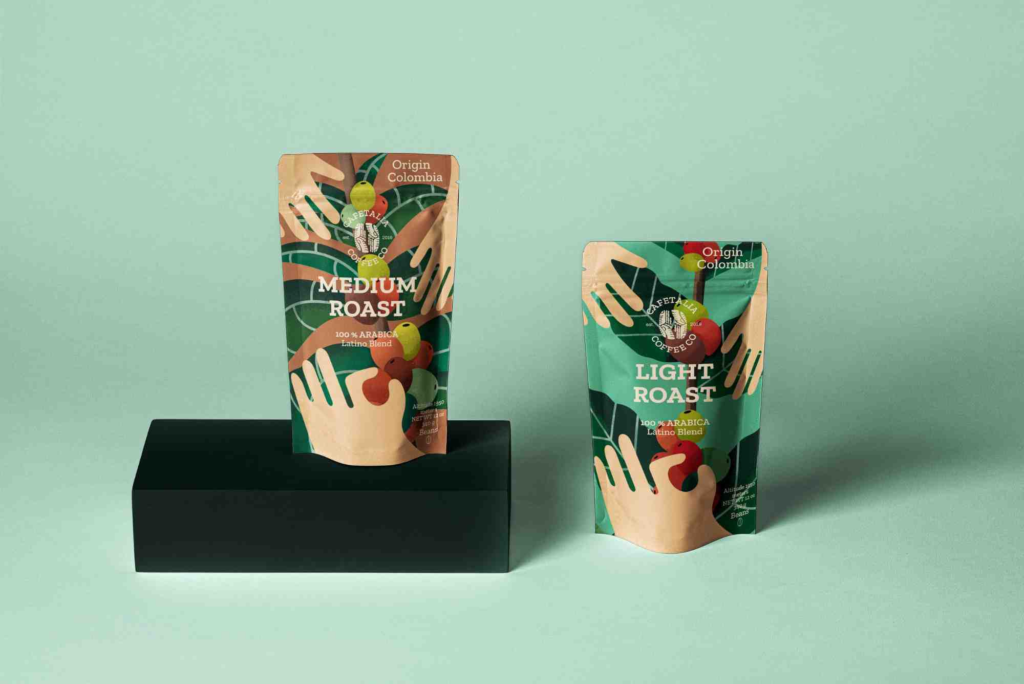
Brands often require Custom Packaging to stand out. Whether it’s a custom pizza box, snack pouch, or luxury chocolate packaging, tailored solutions help differentiate products.
Graphic and Label Design
Clear and appealing labels with nutritional facts, logos, and colours influence buying decisions.
Market Research and Consumer Insights
Some companies conduct consumer research to understand preferences and create packaging that resonates with target audiences.
Compliance and Regulations
Food packaging must meet legal requirements for labeling, safety, and sustainability. Experienced companies ensure compliance with local and international standards.
Top Qualities of Successful Food Packaging Design Companies
Creativity and Innovation
The best companies combine creativity with market insights to deliver packaging that inspires purchase.
Industry Experience
Experience across various food categories—beverages, snacks, frozen foods, or bakery—ensures adaptability.
Technical Knowledge
Understanding packaging materials, printing methods, and supply chains is vital.
Location and Accessibility
If you prefer working with a nearby partner, check the Buddy Packaging Location to see how proximity affects logistics and collaboration.
Current Trends in Food Packaging Design
Minimalism
Simple, clutter-free designs with bold fonts are gaining popularity.
Sustainability
Eco-friendly packaging materials are now a major consumer demand.
Interactive Packaging
QR codes, AR elements, and scannable features enhance the digital customer experience.
Storytelling Designs
Packaging that tells a story about the product’s origin or brand values builds emotional connections.
How to Choose the Right Food Packaging Design Company
Define Your Goals
Decide if your priority is sustainability, luxury, or affordability.
Check Portfolios
Review past projects to understand their style and creativity.
Ask About Their Process
A transparent process—from concept to production—ensures fewer surprises.
Request Prototypes
Before committing, ask for samples to test usability.
Consider Budget
Packaging is an investment. Choose a company that balances quality with affordability.
Packaging Design Tips for Businesses
If you’re new to food packaging, learning expert packaging design tips can help you understand trends and strategies. These insights can guide you in working effectively with design companies.
Common Challenges in Food Packaging Design
Balancing Cost and Quality
High-quality packaging often costs more, but it adds value to your brand.
Meeting Sustainability Goals
Finding affordable yet eco-friendly materials can be challenging.
Differentiating in Crowded Markets
With countless products on shelves, unique designs are crucial for standing out.
Benefits of Partnering with Food Packaging Design Companies
- Professional expertise in branding and materials
- Faster design-to-production turnaround
- Compliance with food safety standards
- Competitive edge in the market
- Sustainable solutions that appeal to conscious buyers
FAQs
What do food packaging design companies do?
They create functional, visually appealing, and compliant packaging that aligns with brand identity and consumer expectations.
Why should I hire a packaging design company?
A professional company brings expertise, creativity, and compliance knowledge that saves time and boosts brand success.
How much does food packaging design cost?
Costs vary depending on complexity, materials, and production volume. Prices may range from a few hundred to several thousand dollars.
Can food packaging design companies create eco-friendly packaging?
Yes, many now specialize in sustainable packaging using biodegradable, recyclable, or compostable materials.
What should I look for in a food packaging design company?
Focus on creativity, experience, technical knowledge, and their ability to deliver packaging aligned with your brand’s vision.
Food packaging design companies are essential partners for any food brand aiming to succeed in today’s competitive market. They combine creativity, technical expertise, and consumer insights to craft packaging that attracts customers, ensures safety, and builds brand trust.