Label Design UK: A Complete Guide for Businesses
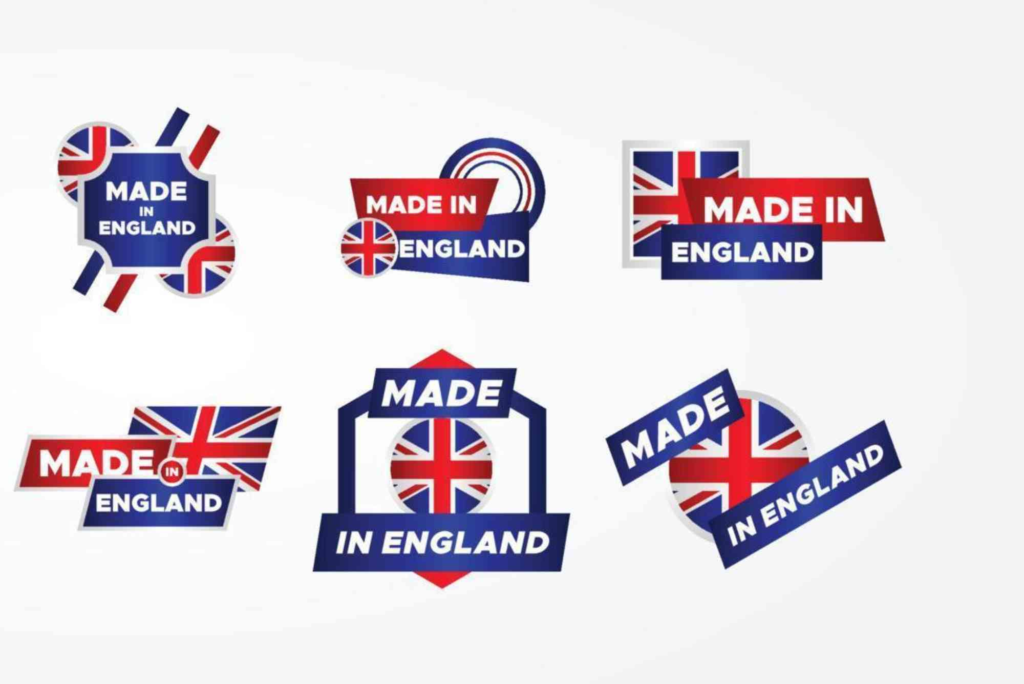
Label design in the UK plays a vital role in how products are perceived, remembered, and purchased. From food packaging to cosmetics and beverages, labels act as silent brand ambassadors, communicating essential details while influencing buying decisions. A well-crafted label can set a product apart in a crowded marketplace, especially in the UK where competition in retail and e-commerce continues to grow rapidly. Businesses that invest in thoughtful label design often see better consumer trust, improved shelf presence, and stronger brand recognition.
Why Label Design UK Matters
The UK market is incredibly competitive, with consumers expecting not only functional packaging but also attractive and informative labels. A label serves as the first point of contact between your product and potential buyers. It conveys key information such as ingredients, instructions, and certifications, while also reflecting your brand identity.
Well-designed labels create trust, signal quality, and differentiate your product from alternatives. In a country where shoppers are highly brand-conscious, having a unique and eye-catching label design can significantly impact sales.
Elements of Effective Label Design in the UK
Clarity and Legibility
Labels must be easy to read and understand. Clear typography, high contrast, and simple layouts ensure that important details stand out. In the UK, consumers often look for nutritional information, allergens, or ethical certifications, so these must be presented clearly.
Brand Consistency
Your label should align with your overall branding. Using the same colours palette, logo placement, and design style helps create a seamless brand experience across all products. Consistency builds recognition and trust.
Compliance with UK Regulations
Label design in the UK must comply with strict guidelines, especially for industries like food, beverages, and cosmetics. Misleading claims or missing information can lead to penalties. It’s essential to check Food Standards Agency (FSA) and Trading Standards rules when creating labels.
Use of Colours and Imagery
Colours influence emotions and purchase decisions. In the UK, eco-friendly brands often use greens and earthy tones, while luxury products may prefer black, gold, or silver. High-quality imagery and illustrations can add appeal and reinforce your brand story.
Material and Finish Choices
The texture and finish of a label also influence perception. Options like matte, gloss, foil stamping, or embossing can elevate your product’s look. Many UK businesses now focus on sustainable materials to appeal to eco-conscious shoppers. For more details, explore industry-focused print & finishing insights to stay updated on the latest innovations.
Trends in Label Design UK
Label design trends evolve with consumer behaviour and industry demands. Some of the current trends in the UK include minimalism, sustainability, personalisation, and digital interactivity.
Minimalist Design
Simple layouts, muted colours schemes, and clear typography are increasingly popular. Minimalism helps products appear modern, clean, and trustworthy.
Eco-Friendly Labels
With rising environmental concerns, UK shoppers prefer brands that use recyclable or biodegradable labels. Sustainable label design not only reduces impact but also enhances brand reputation.
Personalisation
Brands are moving toward unique, limited-edition labels or personalised messages. This approach resonates well with UK consumers who value exclusivity and personal connection.
Smart Labels and Technology
QR codes, NFC tags, and augmented reality features are becoming more common. These allow brands to share detailed product stories, traceability, and promotions with just a smartphone scan.
Challenges in Label Design UK
Despite the opportunities, businesses often face challenges in achieving the perfect label design. Balancing aesthetics with compliance is one hurdle, while ensuring labels remain cost-effective is another. Competition also means that brands must continuously innovate to remain relevant.
Small businesses may find it difficult to invest in premium finishes, while larger companies must ensure consistent branding across multiple product lines. Another challenge is adapting to changing UK regulations, which may require frequent label updates.
The Role of Digital Printing in Label Design
Digital printing has revolutionised label design in the UK. It allows for short runs, quick changes, and cost-effective customisation. Businesses can test new designs without committing to large volumes. Digital printing also supports vibrant colours and intricate details, making it ideal for eye-catching labels.
Advancements in finishing options, such as foiling and spot UV, allow brands to achieve premium looks even in small batches. For inspiration and technical updates, UK businesses can explore print & finishing insights.
Custom Labels for UK Businesses
Every brand is unique, and so should be its label. Investing in Custom Labels ensures your product stands out and connects with your audience. Whether you are launching a small-batch artisanal product or scaling up to a national brand, custom solutions allow you to tailor the size, shape, and finish of your labels.
Custom labels also give you the flexibility to experiment with creative designs, premium textures, and eco-friendly materials, which resonate strongly with UK consumers.
Practical Tips for Designing Labels in the UK
Understand Your Target Audience
Research your customers’ preferences. Luxury shoppers may prefer metallic finishes, while eco-conscious buyers appreciate earthy tones and recycled materials.
Prioritise Essential Information
Include mandatory details first, such as ingredients, allergens, or certifications. Once compliance is ensured, you can focus on creative elements.
Keep It Simple
Overloaded labels can confuse buyers. Stick to a clear hierarchy, guiding the eye from brand name to product details and usage information.
Invest in Professional Design
While DIY tools exist, working with a professional designer ensures that your label meets both aesthetic and regulatory standards.
Test Before Launch
Print a small batch of labels and test them on actual products. This helps identify design flaws and ensures durability across various conditions.
Industry Applications of Label Design UK
Label design varies depending on the industry, but the underlying goal remains consistent: attracting and informing customers.
Food and Beverages
The UK has strict food labelling laws, requiring details like allergens, nutritional values, and expiry dates. Creative design can highlight flavour, origin, or ethical sourcing while ensuring compliance.
Cosmetics and Personal Care
These products often use elegant fonts, minimalistic designs, and premium finishes. Labels must also include ingredients and usage instructions.
Pharmaceuticals
Labels in this sector prioritise legibility and compliance. Clear dosage instructions and warnings are essential to maintain consumer safety.
Fashion and Lifestyle Products
Lifestyle brands in the UK often use bold colours, unique shapes, or eco-friendly labels to appeal to younger audiences.
Local Resources for Label Design UK
Working with local providers can offer quicker turnaround times and better collaboration. If you’re considering working with a local company, you can visit Buddy Packaging Location to explore solutions tailored for UK businesses. Local providers often understand regulations and market trends better, ensuring your labels meet both legal and consumer expectations.
Elevate Your Label Design UK Strategy
Label Design UK is more than just an aesthetic choice—it’s a strategic tool for brand recognition, compliance, and consumer engagement. Businesses that invest in thoughtful, professional labels stand out in crowded markets, build trust, and foster loyalty. Whether you’re a startup or an established brand, focusing on clarity, creativity, and compliance will ensure your labels deliver results.
If you’re ready to transform your packaging with innovative label design, explore Custom Labels that match your brand identity and customer expectations. For expert advice, visit trusted sources like print & finishing insights or connect with local providers through Buddy Packaging Location. Strong label design is the key to winning hearts, minds, and market share in the UK.
FAQs
What should be included on a product label in the UK?
Product labels in the UK must include the product name, ingredients, allergens, net quantity, storage instructions, expiry date, and manufacturer details.
How do I choose the right material for my labels?
The choice depends on your product type and target audience. Food and drink products often require durable, moisture-resistant materials, while luxury items may benefit from textured finishes.
Are there specific UK regulations for label design?
Yes, industries like food, cosmetics, and pharmaceuticals must follow strict regulations. The Food Standards Agency and Trading Standards provide guidelines to ensure labels are accurate and not misleading.
How much does professional label design cost in the UK?
Costs vary depending on complexity, finishes, and print volume. Small businesses may spend a few hundred pounds, while large-scale projects can cost significantly more.
Can I use QR codes on labels in the UK?
Yes, QR codes are increasingly popular for providing additional product details, sustainability information, or marketing campaigns.