Tshirts Printing Design: The Complete Guide
T-shirts have become more than casual clothing; they are a canvas for expression, branding, and creativity. From fashion-forward streetwear to promotional giveaways, tshirts printing design allows individuals and businesses to showcase identity, style, or messaging in an impactful way. The growing demand for customised apparel has made printed T-shirts a popular choice for startups, brands, and everyday consumers. In this article, we will explore the world of tshirts printing design, covering techniques, styles, industry trends, and how you can create shirts that stand out.
Why Tshirts Printing Design Matters
T-shirts are universally worn and offer high visibility. Whether for marketing, fashion, or personal use, their impact is undeniable. A well-crafted design makes a lasting impression, communicates values, and creates emotional connections. Businesses use printed shirts for brand awareness, while artists and designers view them as wearable art. Unlike other promotional products, a printed T-shirt becomes part of a person’s daily lifestyle, offering repeated exposure and strengthening loyalty.
Popular Tshirts Printing Design Techniques
The method you choose affects durability, colour vibrancy, and cost. Understanding the most common techniques helps in selecting the right one for your project.
Screen Printing
Screen printing remains the industry standard for bold, long-lasting prints. It works best for large batches and designs with fewer colours. This method creates vibrant results but requires setup, making it less ideal for one-off custom orders.
Direct-to-Garment (DTG) Printing
DTG uses inkjet technology to print designs directly onto fabric. It’s perfect for intricate artwork and smaller quantities since no screens are needed. While DTG produces high-quality prints, it works best on cotton garments and may not be as durable as screen printing for heavy wear.
Heat Transfer Printing
This method uses transfer paper and heat to apply a design. It’s versatile and affordable, suitable for full-colour images, but may peel or fade over time with repeated washing.
Sublimation Printing
Ideal for polyester fabrics, sublimation embeds dye directly into fibers, creating vibrant, all-over designs. It’s perfect for sportswear or photo-realistic images but not compatible with cotton garments.
Key Elements of a Strong Tshirts Printing Design
A great design is more than placing a logo on fabric. It requires balance, strategy, and creativity.
Typography
Fonts carry personality. Bold sans-serif styles work well for slogans, while script fonts add elegance. Typography must be legible from a distance to achieve maximum impact.
Colour Choice
Colours influence mood and perception. Contrasting shades create visibility, while softer palettes give a premium, minimalist look. Designers must also consider fabric colour to avoid clashes.
Artwork and Illustration
Vector illustrations, patterns, or digital art can elevate tshirts printing design. Using original artwork makes a shirt unique, helping it stand out from mass-market apparel.
Placement
The most common placements are the chest, back, and sleeves. Off-center or oversized designs can add modern flair. Strategic placement ensures the message is seen and remembered.
Trends in Tshirts Printing Design
Fashion is ever-changing, and T-shirt designs often reflect cultural moments, trends, and consumer preferences.
Minimalist Designs
Clean, simple graphics with limited colours are popular in streetwear and high-end brands. They appeal to audiences who value understated fashion.
Retro and Vintage Prints
Nostalgic themes inspired by 70s, 80s, and 90s pop culture are making a comeback. Faded effects and retro fonts enhance the vintage vibe.
Eco-Friendly and Sustainable Themes
Consumers increasingly demand eco-conscious fashion. Designs that highlight sustainability or use eco-friendly inks resonate strongly with modern audiences.
Personalized and Custom Prints
Customisation is a growing trend. From family reunions to branded uniforms, personalized prints help create a sense of identity and belonging.
Tshirts Printing Design for Businesses
Companies use custom T-shirts to boost brand recognition, enhance team spirit, and market events. Employees wearing branded apparel serve as walking advertisements. Startups often use printed shirts for merchandise, creating revenue streams and community engagement. With ecommerce platforms, businesses can easily sell designs worldwide.
For packaging shirts professionally, you can explore Custom Packaging solutions that add value and elevate the customer’s unboxing experience. Presentation plays an equally important role as design in building brand perception.
Tshirts Printing Design for Individuals
Individuals embrace T-shirt design as self-expression. Whether it’s a motivational quote, favorite artwork, or a humorous graphic, custom designs turn ordinary clothing into a statement piece. Social media has amplified this trend, with people proudly showcasing their creations online.
The Role of Technology in Tshirts Printing Design
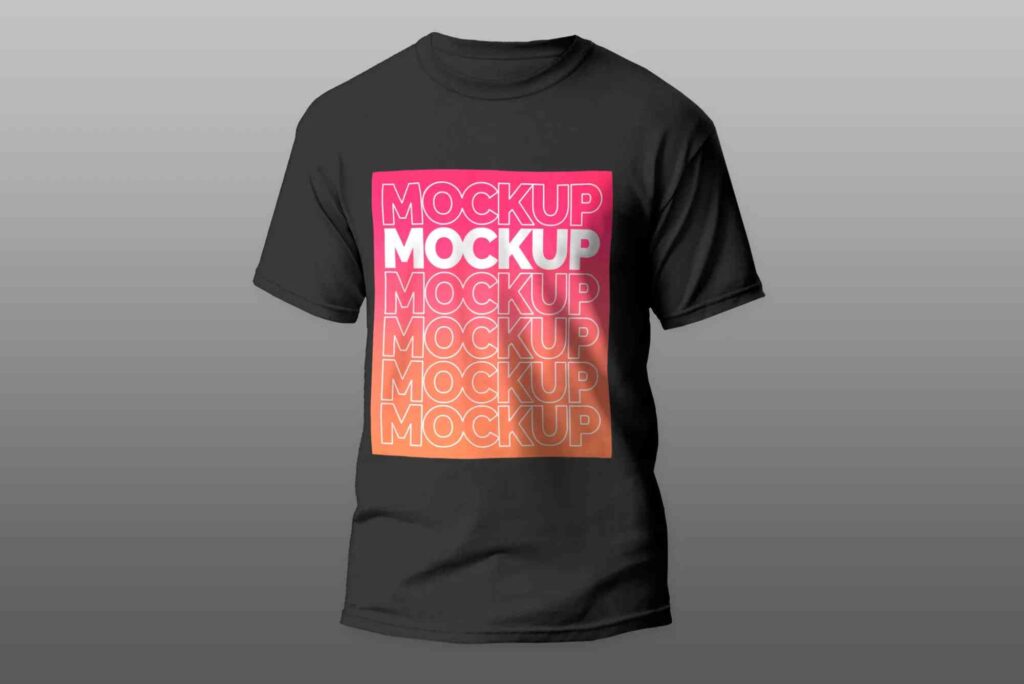
Advancements in digital printing and design software have made customisation accessible to everyone. Tools like Adobe Illustrator or Canva allow beginners and professionals alike to create stunning graphics. Printing companies now integrate AI-driven mockup generators, letting customers preview designs before finalizing orders.
Industry professionals can stay updated by reading print & finishing insights to explore innovations, case studies, and trends shaping the future of printing.
Tips for Creating Effective Tshirts Printing Design
When designing, always consider the purpose, audience, and wearability.
- Start with simple sketches before moving to software.
- Use high-resolution graphics for sharper prints.
- Avoid overly complicated designs that may not translate well to fabric.
- Test print samples to check colour accuracy and placement.
- Keep up with seasonal trends but balance them with timeless appeal.
Common Mistakes to Avoid
Many first-time designers overlook key details that affect results. Choosing the wrong fabric type, ignoring colour contrasts, or selecting low-quality printing methods can compromise the final product. It’s also important not to overcrowd the design. White space is just as powerful as graphics.
Future of Tshirts Printing Design
As personalization continues to dominate, the future looks promising. Eco-friendly inks, sustainable fabrics, and 3D printing innovations are set to revolutionize the industry. Augmented reality may also influence how designs are previewed and sold, offering immersive shopping experiences.
FAQs
What is the best method for tshirts printing design?
Screen printing is ideal for bulk orders, while DTG suits detailed, small-batch designs.
How long does a printed T-shirt last?
With proper care, screen-printed shirts can last for years, while heat transfers may fade faster.
Can I print a photo on a T-shirt?
Yes, using sublimation or DTG printing, you can achieve photo-quality results.
What fabric works best for tshirts printing design?
Cotton is popular for screen and DTG printing, while polyester is ideal for sublimation.
Is T-shirt printing profitable for small businesses?
Yes, with ecommerce platforms and print-on-demand services, many entrepreneurs profit from custom T-shirts.
Tshirts printing design is more than decoration; it’s a fusion of art, technology, and communication. Whether you are a business building a brand, an artist sharing creativity, or an individual wanting unique apparel, T-shirts provide endless opportunities. The key lies in understanding printing methods, design principles, and consumer preferences. With the right approach, your printed shirt becomes more than fabric—it becomes a story people wear.