Introduction
T shirt printing design has become one of the most versatile ways to express creativity, promote brands, and even build entire businesses. Whether you are a small business owner, a fashion enthusiast, or simply someone looking to create a unique shirt for personal use, understanding how to approach design and printing makes all the difference. With the right mix of creativity, technique, and strategy, your t shirt printing design can stand out and deliver the impact you want.
In this article, we will explore not only the basics of design but also professional tips, trending approaches, and industry insights. By the end, you’ll have a comprehensive view of how to bring your ideas to life while ensuring quality and longevity in every print.
Why T Shirt Printing Design Matters
T shirts are more than just clothing; they are canvases for storytelling. A well-executed t shirt printing design conveys personality, captures attention, and sparks conversations. From company uniforms and promotional giveaways to fashion collections, t shirt design influences perception and branding.
In business, an engaging design can turn a basic shirt into a walking advertisement. For individuals, it can represent identity, humor, or social causes. Because shirts are widely worn across demographics, the design opportunities are nearly limitless.
Understanding the Basics of T Shirt Printing Design
Concept Development
Every strong t shirt design starts with an idea. Before diving into software or printers, think about what message you want to convey. Are you aiming for bold graphics, minimalistic text, or an artistic illustration? Your concept sets the foundation for everything that follows.
Color and Typography Choices
Colors influence mood and readability. Bright, contrasting shades grab attention, while muted tones provide a sophisticated look. Typography should be chosen carefully, as fonts can drastically change the tone of a design. A playful script gives a different impression compared to a bold sans serif font.
Placement and Balance
Where the design sits on the shirt affects visual appeal. Center chest placements are timeless, while off-center, pocket-sized, or full-back designs can add variety. Balance is key; overcrowding the space often reduces impact.
Popular Techniques in T Shirt Printing Design
Screen Printing
One of the most traditional methods, screen printing is known for its durability and vibrant colors. It works best for bulk orders and designs with limited colors.
Heat Transfer
This method allows intricate designs to be applied using heat and pressure. It is ideal for small runs and complex patterns, though it may not last as long as screen printing.
Direct-to-Garment (DTG) Printing
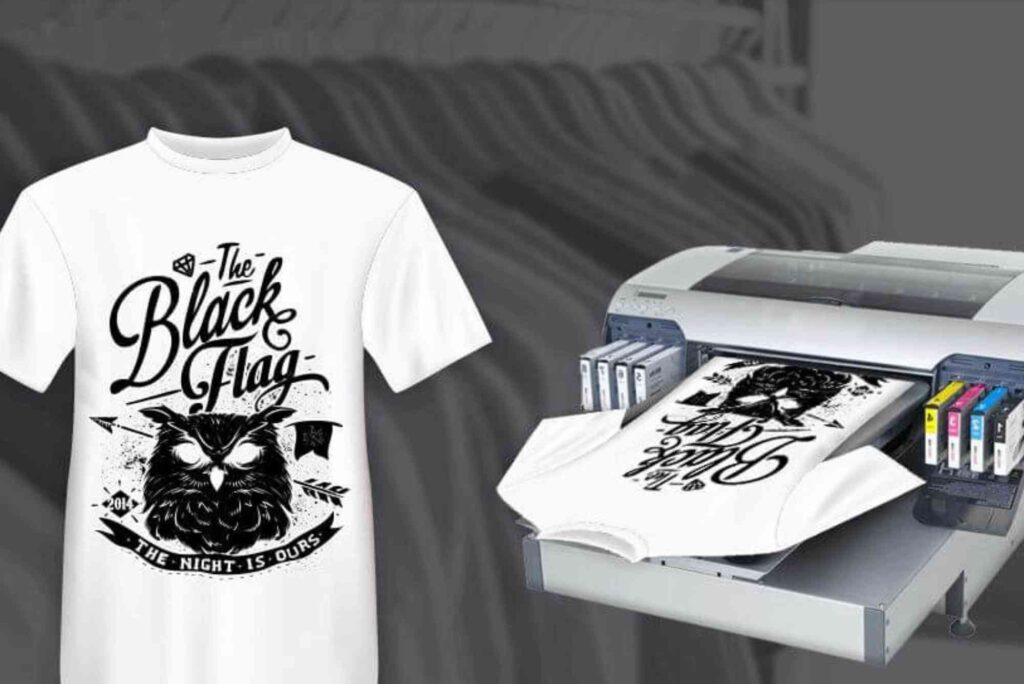
DTG uses inkjet technology to print directly onto fabric, allowing full-color designs with excellent detail. It is perfect for custom or one-off orders.
Embroidery Accents
Though not printing in the traditional sense, embroidery adds a textured, premium feel to a shirt. Combining embroidery with print can create a layered, unique design.
Trends in T Shirt Printing Design
Fashion is always evolving, and t shirt printing design trends shift with cultural movements. Minimalist designs with simple logos remain popular, especially for brands aiming for a sleek aesthetic. On the other hand, oversized graphic prints inspired by streetwear culture are also highly in demand.
Sustainability is another growing trend. Eco-friendly inks and organic cotton shirts are gaining popularity among environmentally conscious consumers. Designs featuring social causes and positive messages often resonate strongly with younger audiences.
Personalization is also on the rise. Customers increasingly want custom elements such as names, initials, or unique graphics tailored to their preferences.
Professional Tips for Successful T Shirt Printing Design
Creating a standout design requires more than just artistic flair. High-resolution files are essential to ensure prints do not appear pixelated. Understanding print-friendly file formats like vector graphics helps maintain clarity.
Mock-ups are invaluable. They allow you to visualize how the design will appear on the shirt and make adjustments before printing. Additionally, always consider fabric type. A design that looks sharp on cotton may behave differently on polyester blends.
Collaborating with professional printers or exploring resources like print & finishing insights provides valuable knowledge on materials, finishes, and techniques that improve results.
T Shirt Printing Design for Businesses
For companies, custom shirts are more than merchandise; they are branding tools. Employees wearing branded t shirts reinforce corporate identity, while promotional giveaways create lasting impressions. When paired with custom packaging, the overall experience elevates the perceived value of the product.
Designing for businesses also requires strategic thinking. Logos must be clear and scalable, ensuring visibility on both small and large shirts. Choosing colors that align with brand identity helps maintain consistency across marketing materials.
The Creative Process Step by Step
The journey from idea to finished t shirt usually follows a structured process. Start with brainstorming and sketching. Next, use digital design software to create a polished version. After refining the layout, test different color variations and placements. Mock-ups can then be reviewed before final approval.
Once the design is ready, it moves into production. Depending on the chosen method, screens may be prepared, heat presses set, or DTG printers calibrated. Finally, the shirts are inspected for quality before distribution. This step-by-step approach ensures that both creativity and precision are balanced throughout the project.
Choosing the Right Printing Partner
Finding the right partner is crucial. Look for printers with proven expertise and high-quality equipment. Reviews and sample work can give insights into reliability. Some providers offer additional services like packaging, distribution, or design consultation.
For local printing needs, exploring a trusted Buddy Packaging Location can make the process more accessible and efficient. Working with local providers also allows easier communication and faster turnaround times.
Common Mistakes to Avoid in T Shirt Printing Design
Rushing through design without testing often leads to disappointing results. Ignoring fabric compatibility is another mistake, as not all prints adhere equally well to every material. Overcomplicating designs with too many colors or elements can reduce clarity and increase production costs.
Finally, skipping the mock-up stage may result in a design that looks good on screen but awkward on fabric. Taking time to test and refine helps avoid these pitfalls.
FAQ: T Shirt Printing Design
What makes a good t shirt printing design?
A good design is clear, visually balanced, and aligned with the purpose, whether for personal use or branding.
Which printing method is best for small orders?
Direct-to-garment (DTG) is often best for small or one-off orders due to its flexibility and detail.
How many colors should I use in my design?
Fewer colors often work better, especially for screen printing. Simplicity usually improves readability and reduces costs.
Can I use photographs in t shirt printing design?
Yes, but high-resolution images are necessary, and DTG printing usually delivers the best results for photographic prints.
How long does a printed t shirt design last?
Durability depends on the method. Screen prints often last longest, while heat transfers may fade more quickly.
T shirt printing design is both an art and a science. From conceptualizing ideas and choosing colors to selecting printing methods and avoiding mistakes, every step plays a role in the final outcome. Whether you are creating shirts for a business, a brand, or personal expression, understanding the essentials helps you achieve professional results.