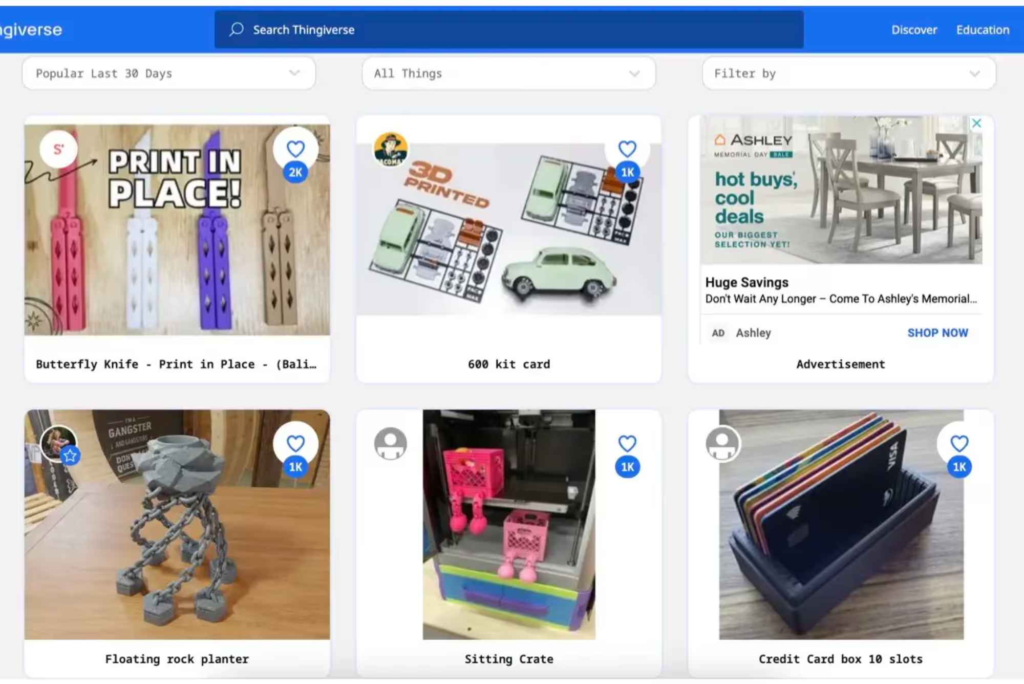
3D Printing Design Website: A Complete Guide
3D printing has moved from industrial labs into homes, classrooms, and creative studios. Whether you’re a professional designer, a hobbyist, or a business owner, having access to the right 3D printing design website is essential. These platforms provide tools, templates, and inspiration to bring digital concepts to life as physical objects.
This guide explores what makes a great 3D printing design website, the best platforms available, how to use them effectively, and why they matter for creators today.
Why a 3D Printing Design Website Matters
The rise of 3D printing has changed how people create prototypes, jewelry, toys, tools, and even medical devices. A 3D printing design website acts as the bridge between imagination and production.
Key Benefits of Using a 3D Printing Design Website
- Access to ready-to-use 3D model libraries
- Online design tools that simplify modeling
- Community support for idea sharing and collaboration
- Compatibility with major 3D printers and file formats
- Tutorials and resources to improve design skills
These platforms remove barriers for beginners while providing advanced tools for experts.
Features of a Great 3D Printing Design Website
Not all platforms are equal. To get the best results, look for websites that offer user-friendly tools, support multiple file formats, and encourage creativity.
Easy-to-Use Design Tools
A website should allow drag-and-drop editing, scaling, and customization without requiring complex software knowledge.
File Compatibility
Most 3D printers use STL or OBJ files. A strong platform must support these and other formats.
Templates and Libraries
Pre-built templates speed up learning and allow users to explore different categories such as toys, prototypes, or gadgets.
Community and Collaboration
Forums, social groups, and project sharing options enhance creativity and problem-solving.
Educational Resources
Tutorials, guides, and tips make learning smooth for beginners while offering depth for professionals.
Popular 3D Printing Design Websites
Several platforms stand out for their usability, range of features, and growing communities.
Thingiverse
One of the largest libraries of free 3D models. It allows users to download, modify, and print designs with ease.
Tinkercad
A beginner-friendly online 3D modeling tool owned by Autodesk. Perfect for schools and entry-level designers.
Shapeways
Not just for designing, but also for printing and selling. Users can upload designs, print them in different materials, or sell products online.
MyMiniFactory
Focused on high-quality 3D designs, particularly for gaming, figurines, and collectibles.
Sketchfab
Popular among artists for showcasing 3D models in interactive ways, with VR and AR integration.
How to Choose the Right 3D Printing Design Website
When selecting a platform, consider your skill level, project type, and whether you need access to a marketplace.
For Beginners
Choose simple, free platforms like Tinkercad or Thingiverse to experiment with designs.
For Professionals
Platforms like Shapeways or Sketchfab offer more advanced tools, material options, and opportunities to sell designs.
For Businesses
If you want to turn designs into products, Shapeways and MyMiniFactory provide both production and sales channels.
How to Use a 3D Printing Design Website Effectively
Start with Templates
Modify existing designs before attempting original projects. This reduces mistakes and speeds up learning.
Learn File Management
Always check file compatibility with your printer to avoid printing errors.
Join Communities
Share ideas, ask questions, and collaborate with other creators.
Explore Advanced Features
Experiment with scaling, hollowing, and material-specific designs once you feel comfortable.
The Role of 3D Printing Design Websites in Business
Many businesses are adopting 3D printing for rapid prototyping, product testing, and customized solutions. A 3D printing design website helps cut costs, speed up production, and encourage innovation.
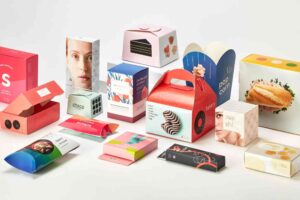
For example, packaging companies are using 3D modeling to design prototypes before mass production. If you’re interested in packaging trends, you can also explore Custom Packaging to understand how design and presentation work together.
And if you’re looking for practical local support, you can explore the Buddy Packaging Location for professional services.
Challenges of Using a 3D Printing Design Website
While helpful, these platforms come with limitations.
Learning Curve
Beginners may feel overwhelmed with advanced features.
File Errors
Incorrect file formats or corrupted files can delay projects.
Limited Materials
Some websites only support specific materials or printing methods.
Intellectual Property Concerns
When downloading free designs, always check licensing rights before commercial use.
The Future of 3D Printing Design Websites
As 3D printing continues to grow, design websites will integrate AI tools, AR previews, and better collaboration features. Similarly, professionals in design and printing industries benefit from print & finishing insights to stay ahead of competitors. They will also improve support for sustainable materials and eco-friendly designs.
FAQs About 3D Printing Design Websites
What is the best 3D printing design website for beginners?
For beginners, Tinkercad and Thingiverse are excellent. They are free, user-friendly, and filled with tutorials.
Can I sell my designs on a 3D printing design website?
Yes, platforms like Shapeways and MyMiniFactory let users sell their designs directly to buyers.
Do I need expensive software for 3D printing design?
No, many websites like Tinkercad and Sketchfab offer free tools that are powerful enough for most projects.
What file types do 3D printing design websites use?
Most websites support STL, OBJ, and 3MF files. These formats are compatible with most 3D printers.
Is it safe to download free designs from 3D printing websites?
Yes, but always check user ratings and licensing rights before printing or selling them.
A 3D printing design website is more than just a tool—it’s a gateway to creativity, innovation, and entrepreneurship. From hobbyists to large businesses, these platforms make 3D printing accessible and impactful.
If you’re ready to explore this exciting world, start experimenting with beginner-friendly platforms and grow your skills. Businesses can leverage these tools for prototypes, marketing, and customer solutions.