Introduction
3D printing has transformed modern manufacturing and product development. Designers, engineers, and hobbyists now create complex objects with impressive precision. However, achieving high-quality results requires more than simply sending a model to a printer. Understanding effective 3d printing design techniques helps ensure prints are strong, accurate, and efficient.
Good design choices reduce material waste, improve durability, and minimise printing errors. Whether you design prototypes, functional parts, or artistic pieces, applying the right techniques makes a significant difference. This article explains essential 3d printing design techniques that help create reliable and professional prints.
Understanding the Importance of 3D Printing Design
Before creating any model, it is important to understand how additive manufacturing works. Unlike traditional manufacturing, 3D printing builds objects layer by layer. Because of this process, designs must account for layer adhesion, support structures, and orientation.
Effective 3d printing design techniques allow designers to avoid common printing issues such as warping, weak joints, or excessive supports. In addition, well-designed models reduce printing time and material usage. As a result, designers achieve faster and more reliable results.
Many industries already apply these principles. Product designers, packaging experts, and manufacturers use advanced modelling methods to create innovative products. For example, companies producing Custom Packaging often rely on precise design workflows to test prototypes before final production. You can explore practical packaging examples through this resource: .
Understanding the connection between design and manufacturing is the first step towards mastering modern 3D printing.
Designing for Printability
One of the most important 3d printing design techniques is designing specifically for the printer’s capabilities. Each printer has limitations regarding layer height, nozzle diameter, and material strength.
When designing a model, ensure that wall thickness matches the printer’s capabilities. Thin walls often lead to weak prints or incomplete layers. A general rule is to keep wall thickness at least two or three times the nozzle width.
Another key factor is tolerance. Parts that must fit together need small gaps to accommodate printing variations. Without tolerance, components may fuse together or fail to assemble properly.
Designers should also simplify geometry when possible. Highly complex shapes increase printing time and introduce more failure points. Clear and efficient designs usually produce better results.
By understanding printer capabilities, designers apply 3d printing design techniques that maximise success rates and reduce failed prints.
Optimising Model Orientation
Model orientation strongly influences print quality. Choosing the right orientation is one of the most effective 3d printing design techniques.
Since 3D printers build objects layer by layer, vertical strength differs from horizontal strength. Layers may separate if stress is applied in the wrong direction. Therefore, designers should orient parts so that the strongest layers align with expected stress.
Orientation also affects surface quality. Surfaces printed against supports often appear rough. Placing visible surfaces facing upwards can significantly improve appearance.
Another benefit of proper orientation is reduced support material. Less support means faster printing and easier post-processing. By carefully adjusting orientation before printing, designers achieve smoother finishes and stronger parts.
Reducing the Need for Support Structures
Support structures are often necessary for overhangs or complex shapes. However, excessive supports increase material usage and post-processing time. Smart 3d printing design techniques aim to reduce or eliminate unnecessary supports.
Designers often use angled surfaces instead of flat overhangs. Most printers handle angles of around 45 degrees without support. By adjusting geometry slightly, models become easier to print.
Another effective method is splitting complex models into smaller parts. Each piece can be printed with minimal supports and then assembled later.
Rounded edges also help reduce sharp overhangs. Smooth curves allow printers to gradually build layers without collapsing.
Reducing supports not only saves material but also improves final surface quality. This makes support optimisation a critical aspect of successful design.
Using Lightweight Structures and Infill
Material efficiency is another important consideration in 3d printing design techniques. Solid objects often waste material and increase print time unnecessarily.
Instead of printing solid parts, designers typically use internal lattice structures or infill patterns. These patterns maintain structural strength while reducing weight.
Many slicing programs offer different infill options such as grid, honeycomb, or gyroid. Each pattern provides different levels of strength and flexibility. Designers can adjust infill density based on the product’s purpose.
Lightweight designs are especially valuable in industries like aerospace, robotics, and consumer product development. By using advanced infill strategies, designers achieve strong yet efficient prints.
Designing Strong Connections and Joints
Functional parts often require joints, hinges, or interlocking components. Properly designing these elements is essential in 3d printing design techniques.
Snap-fit joints are commonly used in 3D printed assemblies. They allow parts to connect securely without screws or adhesives. However, designers must account for material flexibility and tolerance.
Another common method is using dovetail joints. These provide strong mechanical connections between printed components.
Designers should also consider stress distribution. Sharp corners often become weak points. Adding fillets or rounded edges spreads stress more evenly and improves durability.
By focusing on connection design, printed parts become more reliable and long-lasting.
Choosing the Right Materials for Your Design
Material selection plays a crucial role in successful printing. Different materials behave differently during the printing process. Therefore, effective 3d printing design techniques always consider material properties.
PLA is one of the most popular materials due to its ease of printing and environmental friendliness. It works well for prototypes and decorative objects.
ABS provides higher durability and heat resistance. However, it requires careful temperature control to prevent warping.
PETG offers a balance between strength and flexibility. It is commonly used for functional parts.
Flexible materials such as TPU are ideal for products requiring elasticity. Designers must adjust wall thickness and print settings when working with flexible filaments.
Understanding material behaviour allows designers to adapt their models accordingly. This improves both print quality and performance.
Designing for Post-Processing
Post-processing improves the appearance and functionality of printed parts. Smart 3d printing design techniques account for finishing processes from the beginning.
For example, designers may leave extra material on surfaces that require sanding or polishing. This prevents accidental over-sanding.
If parts require painting, smooth surfaces are easier to finish. Therefore, designers often orient models to minimise layer lines on visible areas.
Threaded parts may require post-processing as well. Instead of printing threads directly, designers sometimes create holes and tap them afterwards.
These considerations ensure the final product meets both visual and functional expectations.
Integrating Design Thinking Across Industries
The impact of 3d printing design techniques extends far beyond hobbyist printing. Many industries now rely on additive manufacturing for rapid prototyping and customised production.
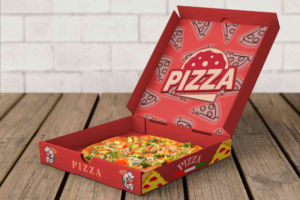
Packaging design is one such field benefiting from these innovations. Designers frequently create prototype packaging to test usability and aesthetics before large-scale production. If you want to explore professional packaging design tips, you can find useful insights here:
By integrating digital design tools with modern manufacturing, businesses can develop products faster and more efficiently. As technology evolves, design skills will become even more valuable in many creative and industrial fields.
The Future of 3D Printing Design
3D printing technology continues to evolve rapidly. New printers offer higher resolution, faster speeds, and wider material compatibility. As a result, 3d printing design techniques are also advancing.
Generative design is one of the most exciting developments. This approach uses artificial intelligence to create optimised structures automatically. These structures often look organic but provide exceptional strength and efficiency.
Another emerging trend is multi-material printing. Designers can now combine rigid and flexible materials within the same object. This opens new possibilities for complex product design.
Sustainable manufacturing is also becoming a major focus. Many companies are exploring biodegradable materials and recycling methods.
As these innovations continue, designers who understand advanced techniques will remain ahead in the evolving manufacturing landscape.
Mastering 3d printing design techniques is essential for producing reliable and high-quality prints. Effective design improves strength, reduces waste, and enhances visual results. From model orientation to material selection, each decision influences the final outcome.
Designers who focus on printability, structural integrity, and efficiency will consistently achieve better results. Furthermore, integrating design thinking with modern manufacturing allows businesses to innovate faster and reduce development costs.
If you want to improve your skills, continue experimenting with new techniques and design tools. The world of 3D printing is expanding rapidly, and mastering these methods will open many opportunities for creativity and innovation.
Start applying these 3d printing design techniques today and transform your ideas into powerful, functional creations.
Simple Screen Printing Designs are perfect for beginners and professionals who want clean, creative results without complicated techniques. These designs often feature bold shapes, minimal colours, and clear patterns that transfer easily onto fabric, paper, or other materials. From custom t-shirts to posters and tote bags, simple screen printing designs help achieve stylish prints while saving time, ink, and effort in the printing process.
FAQ
What are the most important 3d printing design techniques?
The most important techniques include designing for printability, optimising orientation, reducing supports, using appropriate infill, and selecting suitable materials.
How can I improve the strength of my 3D printed parts?
Strength improves by adjusting orientation, increasing wall thickness, adding fillets to corners, and choosing stronger materials such as PETG or ABS.
Why is orientation important in 3D printing design?
Orientation affects layer strength, surface quality, and support usage. Proper orientation improves durability and reduces printing errors.
What software is best for 3D printing design?
Popular tools include Fusion 360, Blender, Tinkercad, and SolidWorks. Each offers features suitable for different skill levels.
Can beginners learn 3d printing design techniques easily?
Yes. Many beginner-friendly tools and tutorials make learning accessible. With practice, anyone can develop effective design skills for 3D printing.