Introduction
The world of 3D printing continues to evolve rapidly, transforming how we design, prototype, and manufacture products. A well-crafted 3d printing design blog serves as a valuable resource for beginners and professionals alike. It offers insights into design techniques, tools, and best practices that help bring creative ideas to life.
In today’s digital landscape, 3D printing is no longer limited to engineers. Designers, hobbyists, and entrepreneurs are all exploring its possibilities. Therefore, understanding how to create efficient and printable designs is essential. This 3d printing design blog will guide you through the fundamentals, advanced tips, and practical strategies to improve your design workflow.
Understanding the Basics of 3D Printing Design
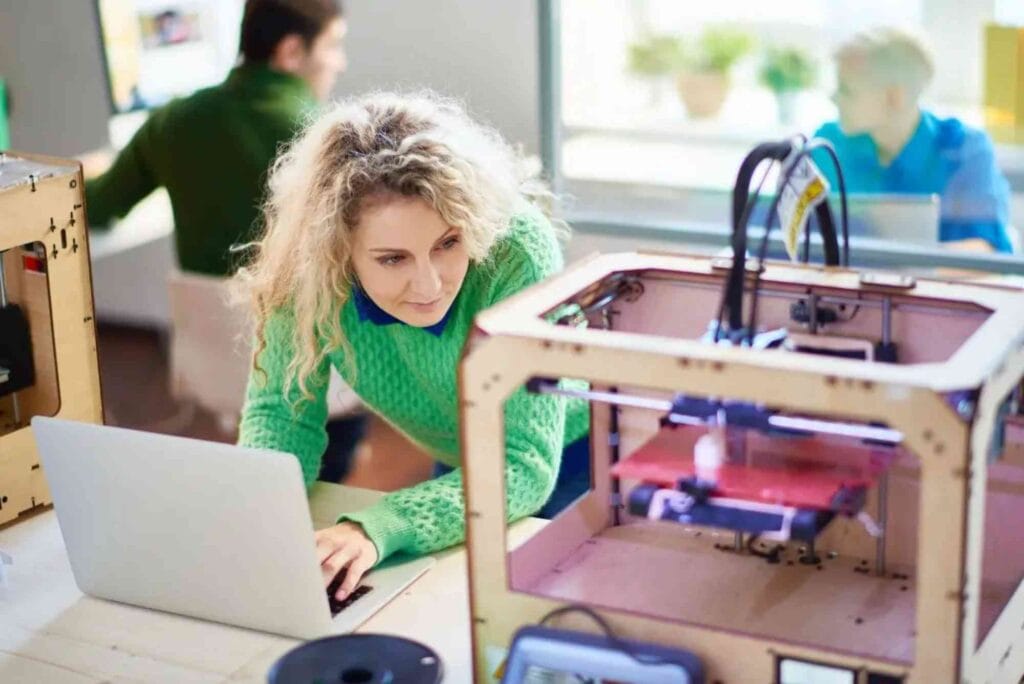
Before diving into complex models, it is important to understand how 3D printing works. Essentially, 3D printers build objects layer by layer using digital files. These files are usually created using CAD software or downloaded from design libraries.
A successful design begins with a clear understanding of materials and printing methods. For example, FDM printers are widely used due to their affordability and simplicity. Meanwhile, SLA printers offer higher precision but require more maintenance.
Key Design Considerations
When creating models, designers must think about geometry, support structures, and print orientation. These factors directly affect the quality and strength of the final product. Additionally, proper wall thickness and tolerances ensure that parts fit together correctly.
Moreover, designing with the printer’s limitations in mind helps avoid costly errors. Overhangs, for instance, may require supports, which can affect surface finish.
Tools and Software for 3D Printing Design
Choosing the right software plays a crucial role in any 3d printing design blog. Beginners often start with user-friendly tools, while professionals prefer advanced platforms with more control.
Beginner-Friendly Tools
Software like Tinkercad provides a simple interface for creating basic models. It is ideal for learning fundamental concepts without feeling overwhelmed.
Advanced Design Software
For more complex projects, tools like Fusion 360 or Blender offer extensive features. These programs allow for precise modelling, simulations, and rendering. As a result, designers can create highly detailed and functional objects.
Furthermore, slicing software such as Cura or PrusaSlicer converts 3D models into instructions that printers can understand. Without this step, printing would not be possible.
Designing for Functionality and Aesthetics
A successful 3d printing design blog emphasises both functionality and aesthetics. While appearance matters, the object must also serve its intended purpose effectively.
Balancing Form and Function
Designers often face the challenge of creating visually appealing yet practical models. For instance, a decorative item should still maintain structural integrity. Similarly, functional parts must be durable enough to withstand regular use.
Material Selection
Different materials offer unique properties. PLA is easy to print and environmentally friendly. ABS, on the other hand, provides higher strength and heat resistance. Choosing the right material ensures that the final product meets performance expectations.
In many cases, thoughtful design enhances product presentation. For example, incorporating Custom Packaging into your product strategy can significantly improve customer experience. You can explore creative options here:
Optimising Designs for Print Efficiency
Efficiency is a key focus in any 3d printing design blog. Poorly optimised designs waste time, material, and money.
Reducing Print Time
Simplifying geometry and minimising unnecessary details can significantly reduce printing time. Additionally, adjusting layer height and infill settings helps achieve a balance between speed and quality.
Minimising Material Waste
Hollowing out models or using lattice structures can save material without compromising strength. This approach is particularly useful for large objects.
Improving Print Success Rate
Designers should always test and refine their models. Small adjustments, such as adding fillets or chamfers, can improve printability and reduce the risk of failure.
Common Challenges in 3D Printing Design
Despite its advantages, 3D printing comes with challenges. A comprehensive 3d printing design blog addresses these issues and provides practical solutions.
Warping and Shrinkage
Certain materials tend to warp during cooling. To prevent this, designers can use heated beds or choose materials with lower shrinkage rates.
Support Removal
While supports are necessary for complex designs, they can be difficult to remove. Therefore, designing with minimal supports in mind improves the final finish.
File Errors
Non-manifold geometry and other file issues can cause printing failures. Running designs through repair tools ensures that files are ready for printing.
The Role of Creativity in 3D Printing
Creativity is at the heart of every 3d printing design blog. Designers are not limited by traditional manufacturing constraints, which allows for innovative solutions.
Exploring Unique Concepts
From intricate jewellery to complex mechanical parts, 3D printing enables the creation of designs that were once impossible. This freedom encourages experimentation and innovation.
Inspiration and Trends
Staying updated with design trends helps creators remain competitive. Exploring platforms that showcase global designs can spark new ideas. For instance, browsing packaging design inspiration can provide fresh perspectives on product presentation. You can find inspiring examples here:
Practical Applications of 3D Printing Design
3D printing is used across various industries, making it a versatile tool for designers.
Product Prototyping
Businesses use 3D printing to create prototypes quickly and cost-effectively. This approach allows for rapid testing and iteration.
Custom Manufacturing
Customisation is one of the biggest advantages of 3D printing. Designers can create personalised products tailored to individual needs.
Education and Research
Educational institutions use 3D printing to teach design concepts and encourage innovation. It also plays a significant role in research and development.
Future Trends in 3D Printing Design
The future of 3D printing looks promising, with new technologies and materials emerging regularly.
Sustainable Printing
Eco-friendly materials and recycling methods are gaining popularity. Designers are focusing on reducing environmental impact while maintaining quality.
Advanced Materials
New materials, such as carbon fibre composites and bio-based filaments, are expanding design possibilities. These materials offer improved strength and durability.
Integration with AI and Automation
Artificial intelligence is beginning to influence design processes. Automated tools can optimise models for better performance and efficiency.
Tips for Starting Your Own 3D Printing Design Blog
Creating a successful 3d printing design blog requires consistency, expertise, and a clear focus.
Choose a Niche
Focusing on a specific area, such as beginner guides or advanced techniques, helps attract a targeted audience.
Share Practical Knowledge
Readers value actionable advice. Providing step-by-step guides and real-world examples builds credibility.
Stay Updated
The 3D printing industry evolves quickly. Keeping up with trends ensures that your content remains relevant.
A well-developed 3d printing design blog is a powerful tool for sharing knowledge and inspiring creativity. By understanding design principles, using the right tools, and staying updated with industry trends, you can create high-quality models that stand out.
Whether you are a beginner or an experienced designer, continuous learning is essential. Start experimenting with new ideas, refine your skills, and share your journey with others. If you are ready to take your designs to the next level, begin building your own 3d printing design blog today and become part of this exciting and innovative community.
Coffee mug printing designs offer a creative way to personalise everyday items while showcasing style and individuality. From minimalist patterns to vibrant custom artwork, these designs can reflect personal taste or brand identity. Whether for gifts, promotions, or home use, well-crafted mug prints combine durability with visual appeal, making them both practical and memorable.
FAQs
What is a 3d printing design blog?
A 3d printing design blog is a platform that shares tips, tutorials, and insights about creating 3D printable models.
Which software is best for 3D printing design?
Beginners can use Tinkercad, while professionals often prefer Fusion 360 or Blender for advanced projects.
How do I optimise my 3D designs for printing?
Focus on proper orientation, minimise supports, and use appropriate materials to improve print quality.
What materials are commonly used in 3D printing?
PLA and ABS are the most common materials, each offering different strengths and properties.
Can I earn money from a 3d printing design blog?
Yes, you can monetise through ads, affiliate links, selling designs, or offering design services.