3D Printing Design Basics
Introduction
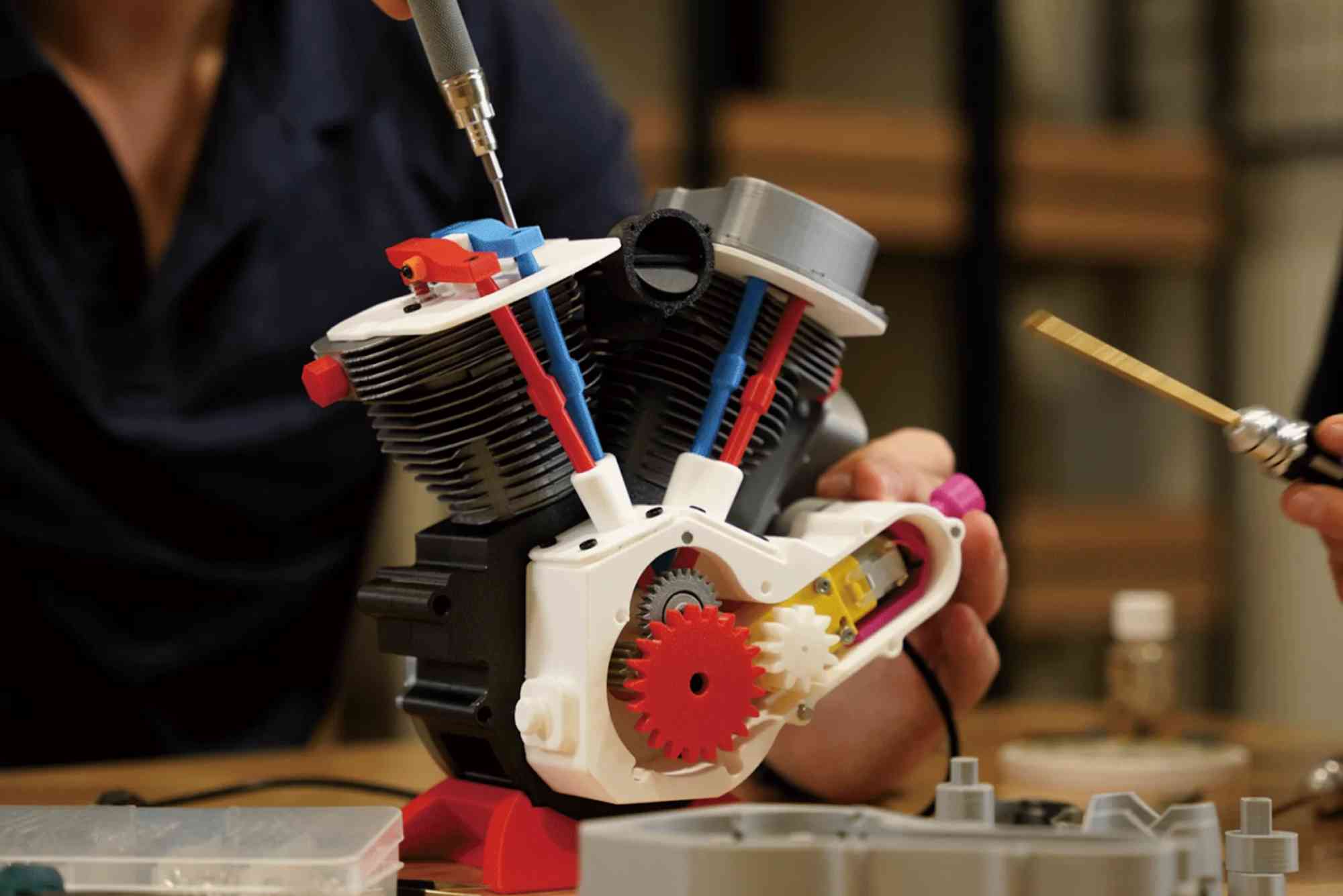
3D printing is transforming how we create, prototype, and manufacture objects. Whether you’re a beginner or someone exploring advanced techniques, understanding 3d printing design basics is essential for success. From choosing the right software to optimizing models for printing, mastering the fundamentals ensures your designs are functional, efficient, and print-ready.
3D Printing Design Basics
Before diving into complex projects, it’s important to grasp the core concepts of 3d printing design basics. Unlike traditional manufacturing, 3D printing builds objects layer by layer. This means your design must consider factors like support structures, material limitations, and printer capabilities.
A well-designed model reduces printing errors, saves material, and improves overall quality. Beginners often overlook these basics, leading to failed prints or weak structures.
Understanding How 3D Printing Works
Layer-by-Layer Manufacturing
3D printers create objects by depositing material in thin layers. Each layer bonds with the previous one, forming a complete structure.
Types of 3D Printing Technologies
- FDM (Fused Deposition Modeling)
- SLA (Stereolithography)
- SLS (Selective Laser Sintering)
Each method affects how you approach 3d printing design basics, especially when it comes to detail and material choice.
Essential Design Principles
Wall Thickness
Ensure your model has adequate wall thickness. Thin walls can break easily or fail to print.

Overhangs and Supports
Angles greater than 45 degrees often require supports. Designing with minimal overhangs improves print quality.
Tolerance and Clearance
Allow space between moving parts. Tight tolerances can cause parts to fuse together.
Bridging
Short horizontal spans can print without support, but longer bridges may sag.
Best Software for 3D Design
Choosing the right software is crucial for mastering 3d printing design basics:
Beginner-Friendly Tools
- Tinkercad
- SketchUp
Advanced Software
- Fusion 360
- Blender
- SolidWorks
Each tool offers unique features depending on your experience level.
File Formats and Exporting
Common File Types
- STL (most widely used)
- OBJ
- 3MF
STL files are standard for most printers, but newer formats like 3MF provide more data and better accuracy.
Export Tips
- Check for non-manifold geometry
- Ensure the model is watertight
- Scale correctly before exporting
Designing for Printability
Optimize Orientation
The way you place your model on the print bed affects strength and surface finish.
Reduce Material Usage
Hollow designs and infill adjustments can save material without compromising strength.
Avoid Sharp Corners
Rounded edges improve durability and print success.
If you’re working on packaging prototypes or product designs, services like Custom Packaging can help bring your printed concepts into real-world applications.
Common Mistakes Beginners Make
Ignoring Printer Limitations
Every printer has size, resolution, and material constraints.
Overcomplicating Designs
Start simple. Complex models increase the risk of failure.
Skipping Test Prints
Always test small versions before full-scale printing.
Improving Your 3D Printing Skills
Learn from Real Projects
Hands-on experience is the best way to understand 3d printing design basics.
Follow Industry Insights
Stay updated with trends and techniques through platforms offering print & finishing insights.
Experiment with Materials
Different materials behave differently—PLA, ABS, PETG all require unique design considerations.
Designing for Strength and Durability
Layer Adhesion
Design with layer direction in mind to prevent weak points.
Reinforcement Techniques
- Add ribs
- Use fillets instead of sharp edges
- Increase infill density
Load Distribution
Ensure weight and stress are evenly distributed across the model.
Applications of 3D Printing Design
- Prototyping
- Product development
- Medical models
- Custom tools
For businesses exploring local production or services, you can check Buddy Packaging Location For real-world implementation examples.
Future Trends in 3D Design
AI-Assisted Modeling
Automation tools are simplifying complex designs.
Sustainable Materials
Eco-friendly filaments are gaining popularity.
Mass Customisation
Personalised products are becoming easier to design and produce.
Mastering 3d printing design basics is the foundation for creating successful and efficient 3D models. By understanding printer limitations, optimizing designs, and using the right tools, you can significantly improve your results. Whether you’re designing for personal projects or business use, these fundamentals will guide you toward better prints and fewer failures.
FAQs
What are the basics of 3D printing design?
The basics include understanding wall thickness, supports, tolerances, and printer limitations to create printable models.
Which software is best for 3D printing beginners?
Tinkercad is ideal for beginners, while Fusion 360 is great for more advanced users.
What file format is used for 3D printing?
STL is the most commonly used file format for 3D printing.
How do I make my 3D prints stronger?
Increase wall thickness, optimize orientation, and use higher infill density.
Why do 3D prints fail?
Common reasons include poor design, incorrect settings, lack of supports, or printer calibration issues.
Shop the boxes from this guide

120ml Bottle Boxes
Apparel Sleeve Boxes
Archive Boxes

buddypackaginguk
Packaging & Print SpecialistTechnical packaging specialist at Buddy Packaging UK, sharing insights on corrugated board packaging, custom dielines, and print production.
View all packaging articles by buddypackaginguk →